



What's Happening?
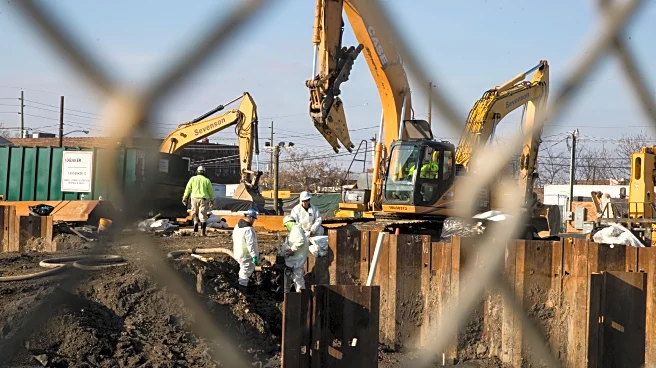
The U.S. Environmental Protection Agency's (EPA) Office of Inspector General has released reports highlighting the vulnerability of approximately 100 of the nation's most contaminated toxic waste sites to flooding and wildfires. These sites, part of the federal
Superfund program, pose significant public health risks to millions of Americans living nearby. The reports indicate that many of these sites are located in coastal areas susceptible to sea-level rise and storm surges, as well as low-lying regions prone to inland flooding and areas at high risk for wildfires. Despite these risks, the current cleanup plans often fail to account for potential damage from such natural disasters. The EPA is reviewing the findings, which echo previous concerns about the impact of climate change on these hazardous sites.
Why It's Important?
The findings underscore the urgent need for comprehensive planning to mitigate the risks posed by climate change to toxic waste sites. With millions of Americans living near these sites, the potential for environmental contamination and public health crises is significant. The reports highlight the necessity for the EPA and local communities to develop robust strategies to address these vulnerabilities, ensuring that taxpayer investments in site remediation are not wasted. The issue also reflects broader challenges in integrating climate change considerations into federal environmental policies, particularly under administrations that have downplayed climate risks.
What's Next?
The EPA is expected to review the Inspector General's findings and potentially revise its Superfund cleanup strategies to better incorporate climate-related risks. This may involve updating five-year plans for site management to include measures for flood and wildfire mitigation. Community advocacy and pressure may also play a role in driving policy changes, as residents near these sites push for more proactive measures to protect their health and safety. The broader implications for federal environmental policy could lead to increased scrutiny of how climate change is addressed in other areas of environmental regulation.