




What's Happening?
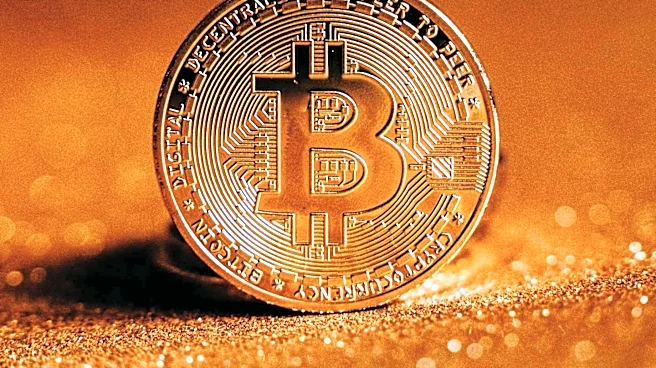
El Salvador is continuing its strategy of accumulating Bitcoin as a strategic reserve, including its 'one Bitcoin a day' purchasing policy. This commitment persists despite recent changes to the country's digital-asset infrastructure and agreements with
the International Monetary Fund (IMF). The National Bitcoin Office has refuted claims of a shift towards stablecoins, reaffirming El Salvador's status as a 'Bitcoin-only country' and stating there are no plans for the government to operate new crypto wallets following the transfer of Chivo Wallet to a private operator. The IMF's latest review confirms that a private entity now holds majority ownership and operational control of Chivo, with the government retaining a minority stake and custodial duties for customer assets. The IMF program, however, does not anticipate further Bitcoin accumulation beyond documented donations, distinguishing between the government's broader Bitcoin vision and specific commitments under the IMF agreement.
Why It's Important?
El Salvador's unwavering commitment to Bitcoin as a strategic reserve, even under IMF scrutiny, highlights a significant divergence in economic policy for a sovereign nation. This approach could influence other developing nations considering similar digital asset strategies, potentially fostering a new model for national reserves outside traditional fiat currencies. The distinction between El Salvador's long-term Bitcoin vision and its IMF commitments underscores the tension between national digital asset sovereignty and international financial regulations. For the global Bitcoin community, this reinforces the narrative of Bitcoin's growing acceptance and utility at a state level, potentially driving further institutional adoption and legitimization of cryptocurrencies as viable reserve assets. Conversely, it poses challenges for international bodies like the IMF in managing financial stability and regulatory frameworks in an increasingly digital global economy.
What's Next?
El Salvador is expected to continue its 'one Bitcoin a day' purchasing strategy, steadily increasing its strategic Bitcoin reserve. The government will likely focus on Bitcoin education and maintaining its 'Bitcoin Country' identity, while adhering to the transparency and regulatory aspects of its IMF agreement. The private operator of Chivo Wallet will assume greater responsibility for its operations, with the government maintaining a reduced, yet significant, role in custodial responsibilities. Future interactions between El Salvador and the IMF will likely center on balancing the country's digital asset ambitions with international financial stability requirements. The success or challenges of El Salvador's long-term Bitcoin strategy could serve as a case study for other nations contemplating similar moves, potentially influencing future global financial policies regarding digital currencies.
Beyond the Headlines
El Salvador's steadfast pursuit of Bitcoin as a strategic reserve delves into deeper implications concerning national economic sovereignty and the evolving nature of global finance. This strategy challenges the traditional reliance on fiat currencies and established financial institutions, potentially paving the way for a new paradigm where nations diversify their reserves with decentralized digital assets. The move also raises questions about the long-term stability and security of national economies tied to volatile assets like Bitcoin, and the ethical considerations of such policies on citizens, particularly in developing countries. Furthermore, it highlights the ongoing struggle between innovative financial technologies and existing regulatory frameworks, forcing a re-evaluation of how international bodies like the IMF adapt to and integrate digital currencies into global economic governance. The 'Bitcoin Country' identity also carries cultural and political weight, positioning El Salvador as a pioneer in the digital age, which could have lasting impacts on its international relations and national brand.