




What's Happening?
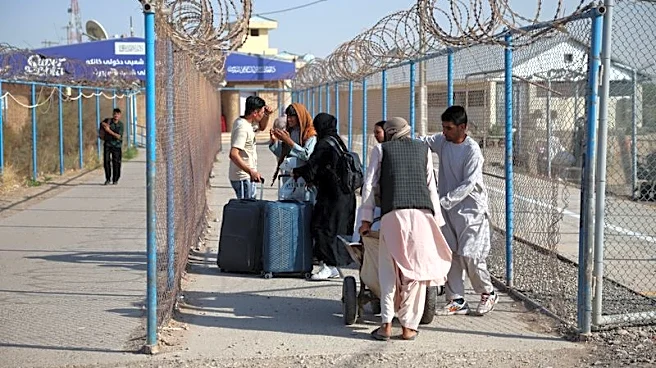
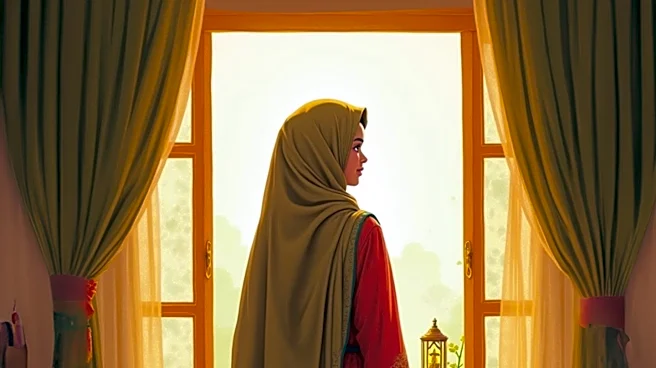
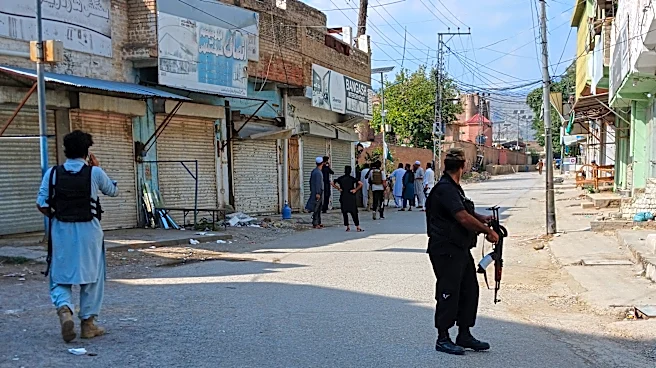
A new book, "The Last Free Women: A Daring Escape from Afghanistan and Coming of Age in America," details the experiences of four Afghan women who escaped Afghanistan following the Taliban's takeover in August 2021 and subsequently rebuilt their lives
in the United States. The book, co-authored by Rebecca Blumenstein and Diana Kapp, highlights the extraordinary efforts made by organizations like The New York Times to evacuate Afghan employees and their families. The New York Times, for instance, evacuated 124 Afghan employees and their family members, navigating a chaotic situation where the U.S. government was unable to provide immediate assistance. This involved securing help from foreign governments like Qatar and Mexico. The narrative focuses on women aged 17 to 24, who had high aspirations for careers in medicine and law, which were abruptly halted by the Taliban's return to power. Their stories illustrate the challenges and resilience of a generation of Afghan women who grew up with opportunities for education and personal advancement.
Why It's Important?
This story is important as it sheds light on the profound human impact of geopolitical shifts, specifically the U.S. withdrawal from Afghanistan and the subsequent Taliban resurgence. It underscores the critical role that non-governmental organizations and media institutions played in humanitarian efforts when official channels were overwhelmed. The experiences of these women in the U.S. highlight the complexities of refugee resettlement, including cultural adjustments, language barriers, and the determination required to pursue education and careers in a new country. It also brings to the forefront the broader implications for women's rights and education in Afghanistan, where the progress made over two decades has been severely curtailed. The book serves as a testament to the resilience of individuals facing immense adversity and the ongoing challenges faced by those who did not have similar avenues for escape.
What's Next?
The book's release will likely continue to draw attention to the ongoing situation in Afghanistan and the plight of Afghan refugees globally. It may inspire further discussions and initiatives aimed at supporting Afghan women and girls, both within Afghanistan and in host countries. For the women profiled, their journey of rebuilding continues, with many pursuing higher education and professional careers, such as nursing and public administration. Their stories could serve as a powerful advocacy tool for policies that facilitate refugee integration and support educational and professional development for displaced populations. The narrative also implicitly raises questions about the long-term responsibilities of nations involved in conflicts and their commitment to the populations affected by their interventions.
Beyond the Headlines
The narrative extends beyond a simple escape story, delving into the deeper ethical and cultural dimensions of displacement and adaptation. It highlights the 'survivor's guilt' experienced by some who were evacuated, contrasting their fortune with the millions left behind. The book also subtly critiques the typical expectations for refugees, often leading to a lifetime of poverty, and champions the idea that with support, refugees can achieve significant personal and professional success. The women's embrace of new experiences, from learning to swim to pursuing hobbies like ceramics and piano, illustrates a profound desire to reclaim joy and agency in their lives. This underscores the importance of holistic support for refugees that goes beyond basic needs, fostering integration and personal growth, and challenging preconceived notions about their potential contributions to society.