




What's Happening?
In eastern Ukraine, the 'Homestead Hope' project by Samaritan’s Purse is providing critical agricultural resources to families affected by the ongoing conflict, enabling them to achieve food security. Over 1,200 families received seeds, tools, and gardening
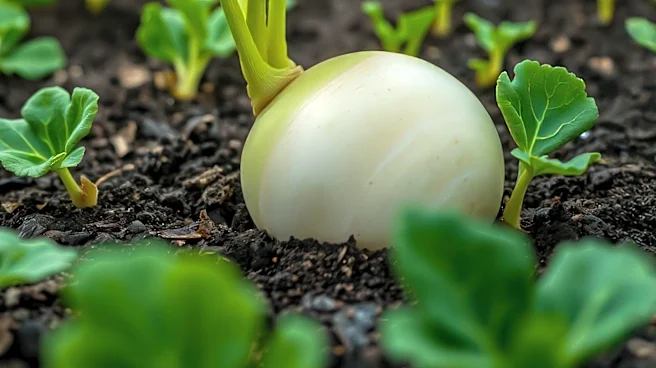
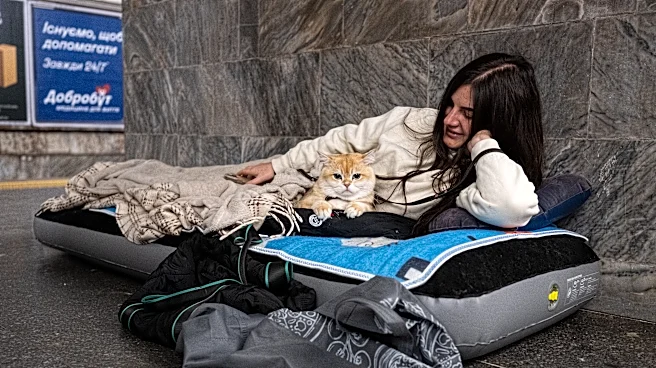
equipment in the spring, leading to successful harvests of vegetables like beets, carrots, onions, and zucchini, which are now being preserved for winter. Additionally, families received chickens and feed, providing a source of protein-rich eggs and an opportunity for supplementary income through sales to neighbors. This initiative helps families like Oksana's, who fled their home in 2022, to sustain themselves amidst persistent attacks on civilian infrastructure and the harsh realities of wartime winters. The extra income has allowed some families to invest in alternative heating solutions, such as solar panels and battery stations.
Why It's Important?
This agricultural project is vital for the resilience and survival of Ukrainian families facing prolonged conflict and economic instability. By providing the means for self-sufficiency in food production, it directly addresses the immediate humanitarian need for sustenance and reduces reliance on external aid. The ability to grow their own food and generate income from selling surplus eggs empowers families, restoring a sense of control and dignity in challenging circumstances. This initiative also mitigates the impact of disrupted supply chains and rising food prices, which are common during wartime. Furthermore, the project's focus on sustainable practices, such as drip irrigation systems and plant protection kits, builds long-term capacity for food security, contributing to the overall stability and recovery of affected communities.
What's Next?
Samaritan’s Purse, through its 'Homestead Hope' project, plans to continue supporting Ukrainian families, recognizing the ongoing need for food security and livelihood support as the conflict persists. The organization's broader programming in Ukraine includes emergency food, water, and medical care, indicating a comprehensive approach to humanitarian aid. The success of this year's harvest and the positive impact on families like Oksana's and Svitlana's suggest that similar initiatives will be crucial for future resilience. Continued efforts will likely focus on expanding the reach of such projects, providing more families with the resources to cultivate their own food and generate income, thereby strengthening community self-reliance in the face of adversity.
Beyond the Headlines
Beyond providing food, the 'Homestead Hope' project offers a profound sense of hope and normalcy to families living in a war zone. The act of gardening and raising chickens can be therapeutic, offering a routine and a connection to the land that helps mitigate the psychological toll of conflict. It underscores the importance of practical, tangible aid that empowers individuals to rebuild their lives rather than solely relying on handouts. The project also highlights the resilience of the human spirit and the determination of communities to adapt and thrive even under extreme pressure. The ability to preserve food for winter, a traditional practice, reinforces cultural continuity and provides a sense of security in an otherwise unpredictable environment.