


What's Happening?
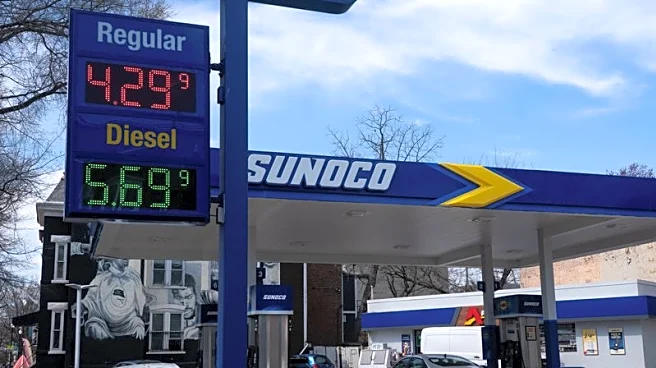
California is experiencing a significant increase in gas prices, with the average cost per gallon reaching $5.70, well above the national average. This surge follows global oil market disruptions due to US-Israeli strikes in Iran. California's unique
environmental policies, including a special fuel blend and high state taxes, contribute to the higher prices. The state's green agenda, led by Governor Gavin Newsom, aims to reduce carbon emissions but has raised concerns about further price increases. The situation is exacerbated by the closure of several major oil refineries in the state, leading to reduced supply and higher costs.
Why It's Important?
The rising gas prices in California have significant economic implications, affecting consumers and businesses alike. High fuel costs can lead to increased transportation expenses, impacting the cost of goods and services. The state's environmental policies, while aimed at sustainability, may face criticism for their economic impact. This situation highlights the challenges of balancing environmental goals with economic realities. The broader U.S. economy could also feel the effects if similar policies are adopted elsewhere, potentially influencing national energy strategies and consumer behavior.
What's Next?
California may need to address the economic impact of its environmental policies, possibly revisiting tax structures or exploring alternative energy solutions. The state could face pressure from both consumers and businesses to mitigate the financial burden of high gas prices. Nationally, the situation may prompt discussions on energy policy and the balance between environmental sustainability and economic stability. Stakeholders, including policymakers and industry leaders, will likely engage in debates over the future of energy production and consumption in the U.S.