





What's Happening?
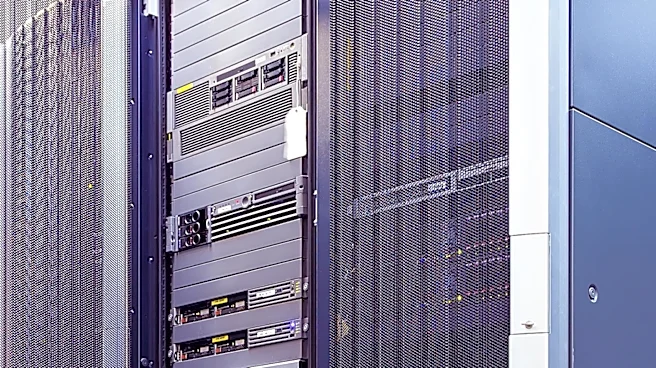
Data centers, essential for supporting the growing AI infrastructure, have become a contentious political issue in the United States. As tech companies like OpenAI and Oracle expand their data center campuses, such as the one in Saline Township, Michigan,
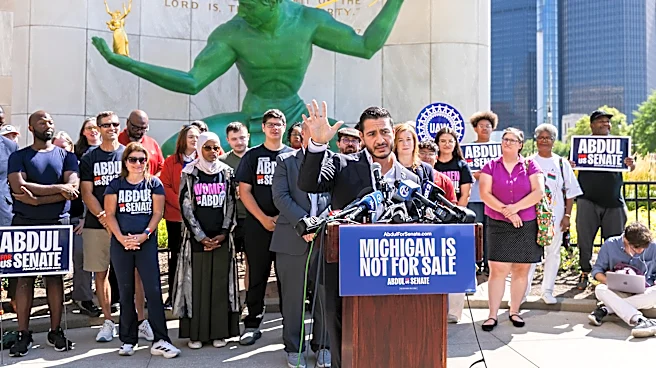
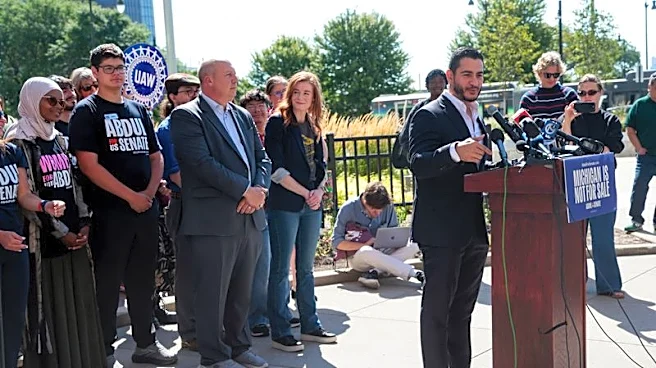
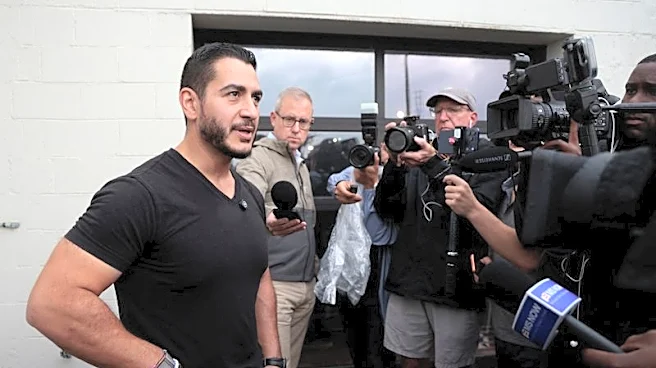
political candidates are increasingly addressing public concerns over these facilities. Democratic U.S. Senate candidate Abdul El-Sayed has used the construction of these centers as a focal point in his campaign, advocating for federal-level regulations to protect local communities. Similarly, in Ohio, Republican gubernatorial candidate Vivek Ramaswamy has proposed a moratorium on data center construction, citing issues like rising electric bills and pollution. The debate over data centers is cutting across traditional party lines, with candidates from both sides addressing the public's apprehensions about the economic and environmental impacts of these facilities.
Why It's Important?
The expansion of data centers is significant due to their role in supporting AI technologies, which are becoming increasingly integral to various sectors. However, the rapid growth of these facilities has sparked public concern over their environmental impact, energy consumption, and the lack of clear economic benefits for local communities. This has led to a political backlash, with candidates using the issue to rally support by promising to address these concerns. The controversy highlights a broader tension between technological advancement and community interests, as well as the need for regulatory frameworks to manage the growth of AI infrastructure. The outcome of these political debates could influence future policies on data center construction and operation, impacting tech companies and local economies.
What's Next?
As the political discourse around data centers intensifies, it is likely that more candidates will incorporate this issue into their platforms, especially in regions where new facilities are planned. The push for federal regulations and moratoriums could lead to legislative proposals aimed at balancing technological growth with community welfare. Stakeholders, including tech companies, environmental groups, and local governments, may engage in discussions to find common ground. The outcome of upcoming elections could determine the direction of policy-making in this area, potentially affecting the pace and nature of data center expansion across the country.
Beyond the Headlines
The debate over data centers also raises questions about the ethical implications of AI development and its societal impact. As these facilities become more prevalent, they symbolize the broader challenges of integrating advanced technologies into everyday life. The concerns over energy consumption and environmental degradation reflect a growing awareness of the need for sustainable practices in tech development. Additionally, the political mobilization around this issue suggests a shift in public priorities, with voters increasingly demanding accountability and transparency from both tech companies and policymakers. This could lead to a reevaluation of how technological progress is pursued and regulated in the future.