





What's Happening?
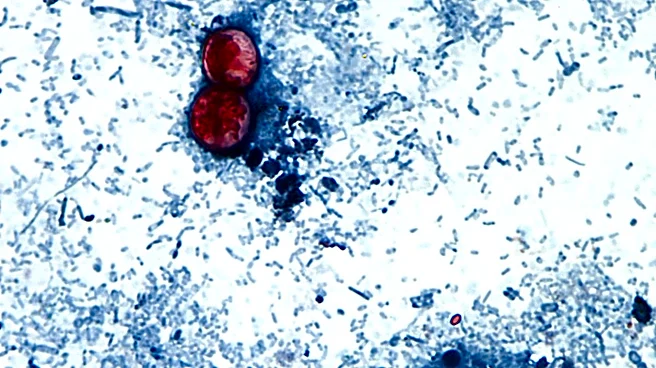
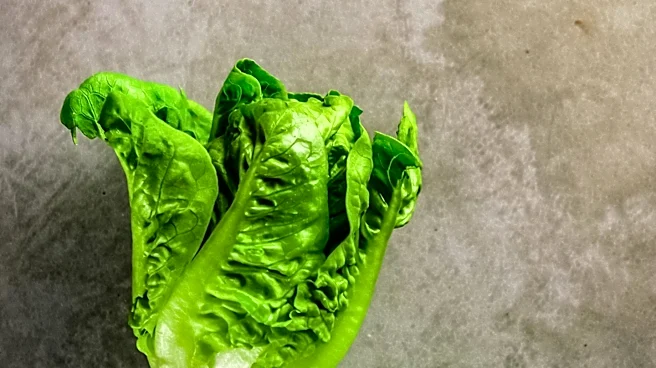
Michigan health officials have reported two deaths related to the state's largest cyclosporiasis outbreak, which has been linked to contaminated iceberg lettuce from Taylor Farms in central Mexico. The Michigan Department of Health and Human Services
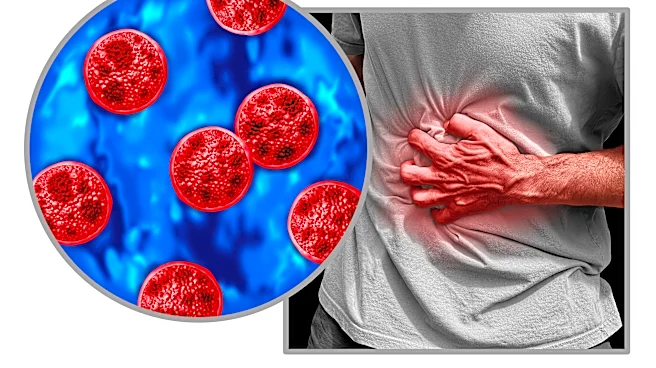
announced that the individuals who died had significant underlying health conditions that may have been exacerbated by cyclosporiasis and dehydration. The outbreak, which began in late June, has resulted in 11,234 cases in Michigan, marking an 8% increase from the previous week. The outbreak has also led to 193 hospitalizations in the state. The Centers for Disease Control and Prevention (CDC) and the Food and Drug Administration (FDA) are investigating the outbreak, which has affected nine states, including Indiana, Kentucky, Ohio, and others. Taylor Farms has temporarily shut down its processing facility in Mexico and issued a recall of its iceberg lettuce.
Why It's Important?
The cyclosporiasis outbreak in Michigan is significant due to its scale and the associated health risks, particularly for individuals with pre-existing health conditions. The outbreak highlights the vulnerabilities in the food supply chain, especially concerning imported produce. The deaths, although rare, underscore the potential severity of foodborne illnesses and the importance of stringent food safety measures. The outbreak's impact extends beyond Michigan, affecting multiple states and even reaching Canada, where travel to Michigan has been identified as a common exposure among recent cases. This situation emphasizes the need for coordinated public health responses and effective communication to prevent further spread and protect vulnerable populations.
What's Next?
Health officials continue to investigate the outbreak's source and are advising the public to take precautions when consuming lettuce and other fresh produce. The Michigan Department of Health and Human Services recommends buying whole heads of lettuce, removing outer leaves, and washing produce thoroughly. The CDC and FDA are expected to continue their investigation into the outbreak, potentially identifying other food items linked to the illness. Public health authorities may issue further guidance or recalls as more information becomes available. The situation calls for increased awareness and adherence to food safety practices to prevent additional cases.