
What's Happening?
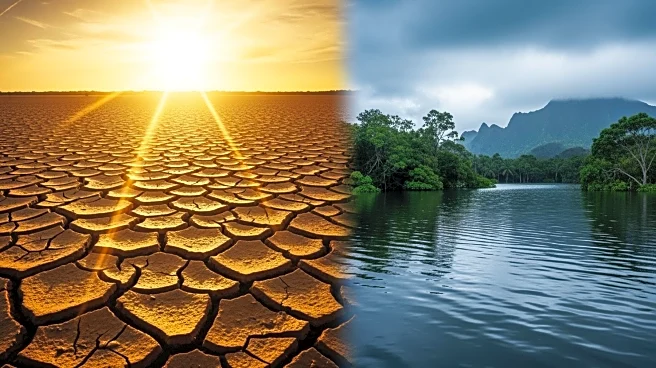
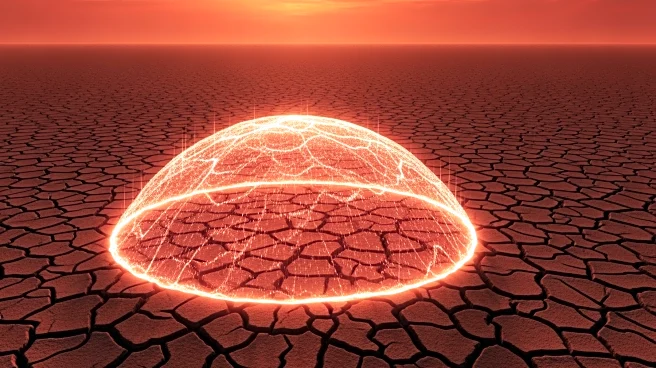
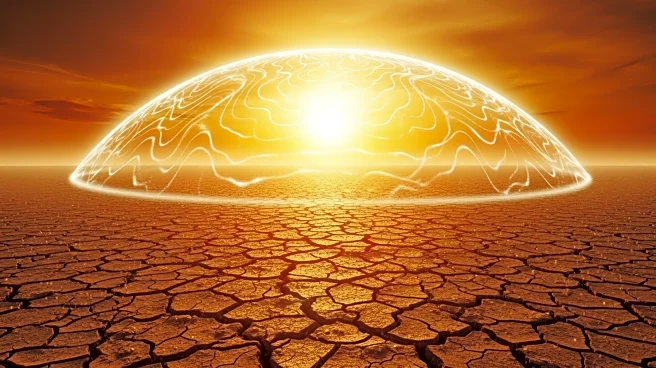
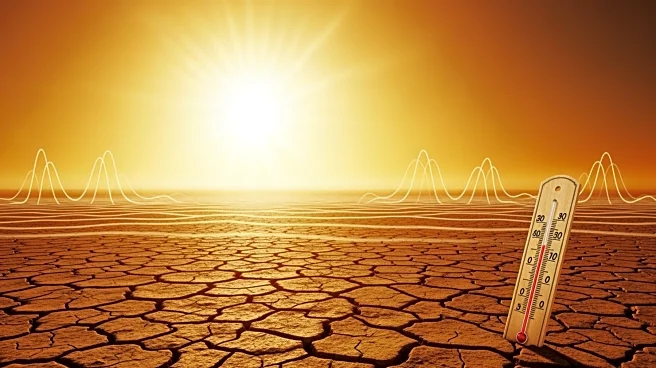
The National Oceanic and Atmospheric Administration (NOAA) has forecasted an unusually hot and dry spring for 2026, with a 'heat dome' expected to exacerbate drought conditions across large parts of the United States. This weather pattern involves a strong,
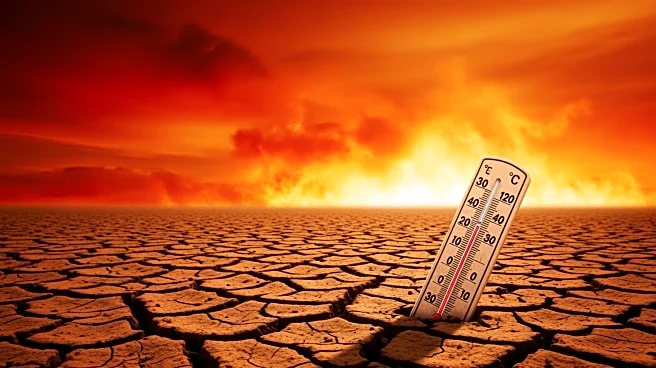
high-pressure system that traps hot air, leading to prolonged periods of high temperatures. The NOAA's Spring Outlook indicates above-normal temperatures for most of the country, particularly affecting the western U.S., the Plains, and parts of the South and Midwest. As of mid-March, approximately 55% of the continental U.S. was experiencing moderate to exceptional drought, following a warmer and drier winter than average. The forecast suggests that these conditions will worsen or spread, especially in the Pacific Northwest, Great Basin, central Rockies, Southwest, and south-central Plains.
Why It's Important?
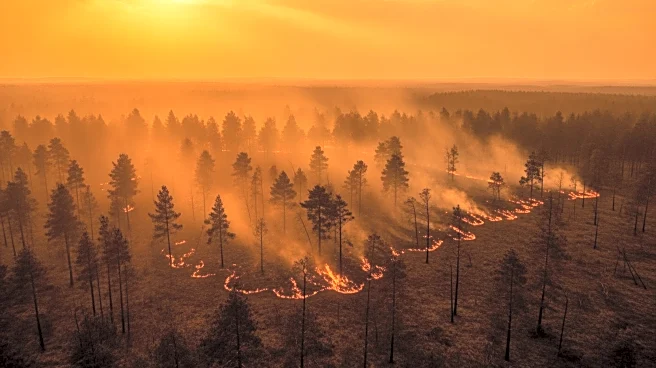
The predicted heat and drought conditions could have significant impacts on various sectors, including agriculture, water resources, and wildfire management. The combination of high temperatures and dry conditions increases the risk of wildfires and places additional stress on agricultural activities, potentially affecting crop yields and food supply. Water resources may also be strained as reservoirs and snowpack levels are already low, posing challenges for water management and distribution. These conditions highlight the need for preparedness and adaptation strategies to mitigate the adverse effects on communities and industries reliant on stable weather patterns.
What's Next?
Communities and farmers are advised to prepare for the challenging months ahead, as the heat dome is expected to persist into the summer. This may involve implementing water conservation measures, adjusting agricultural practices, and enhancing wildfire prevention and response strategies. Policymakers and stakeholders may need to consider long-term solutions to address the increasing frequency and intensity of such weather events, potentially linked to broader climate change trends.