



What's Happening?
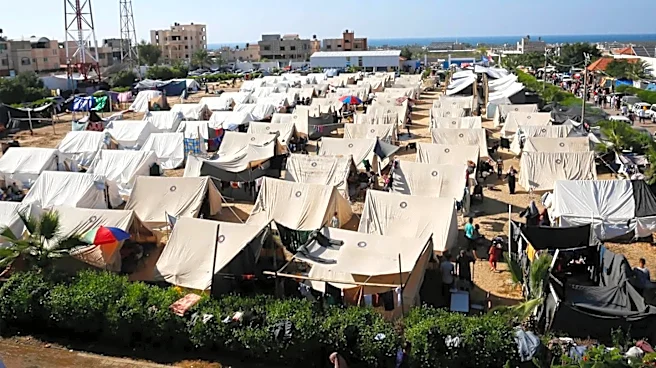
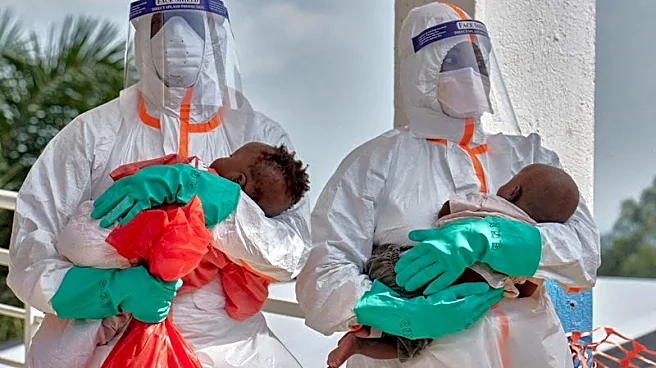
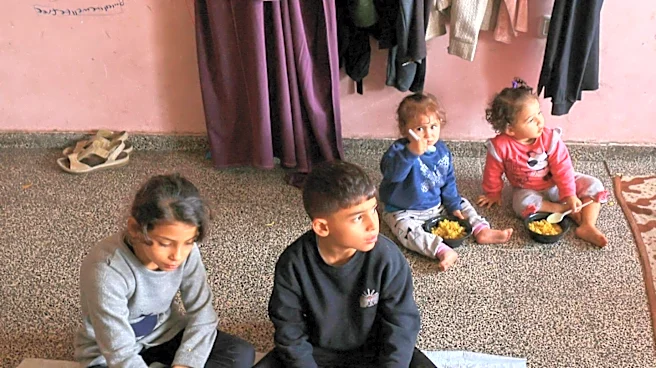
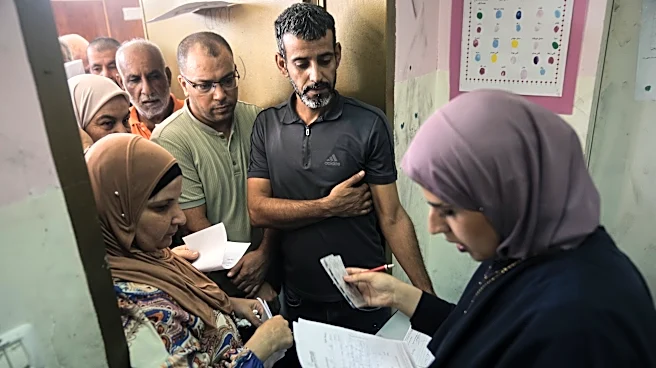
A UNICEF-coordinated survey has found that acute malnutrition rates among children in Gaza are low, challenging claims of a famine in the region. The survey, which used World Health Organization methodology, reported malnutrition rates ranging from 0.2%
to 0.8% across different areas of Gaza. These figures are significantly below the threshold for famine classification and are comparable to or lower than pre-conflict levels. Despite the low rates of acute malnutrition, the survey identified long-term nutritional issues, such as stunting and poor diet quality, indicating ongoing public health challenges.
Why It's Important?
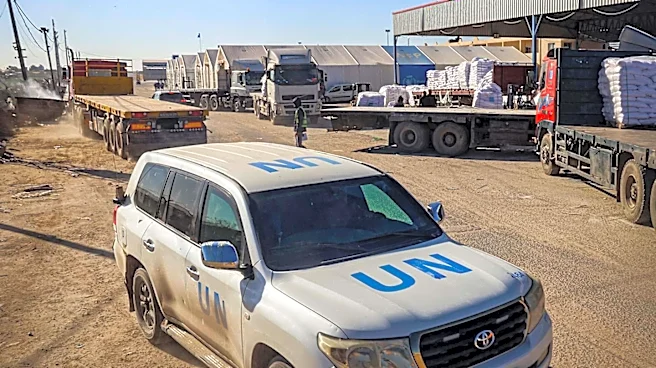
The findings of the survey have significant implications for international perceptions of the humanitarian situation in Gaza. By dispelling the narrative of an ongoing famine, the report shifts the focus to addressing chronic nutritional issues rather than immediate food shortages. This could influence international aid strategies and policy decisions, as well as impact the political discourse surrounding the Israeli-Palestinian conflict. The report also highlights the importance of continued humanitarian assistance to address underlying nutritional vulnerabilities.
What's Next?
The survey's findings are likely to play a role in ongoing international debates about humanitarian conditions in Gaza. Governments and aid organizations may need to reassess their strategies to focus on improving diet quality and addressing chronic nutritional issues. The report may also prompt further investigations into the effectiveness of current aid efforts and the role of political factors in shaping humanitarian narratives.
Beyond the Headlines
The report raises questions about the use of humanitarian narratives in political conflicts and the potential for data to challenge prevailing assumptions. It also underscores the complexity of addressing nutritional issues in conflict zones, where political, economic, and social factors intersect. The findings may encourage a more nuanced understanding of food security and malnutrition in the context of ongoing geopolitical tensions.