









What's Happening?
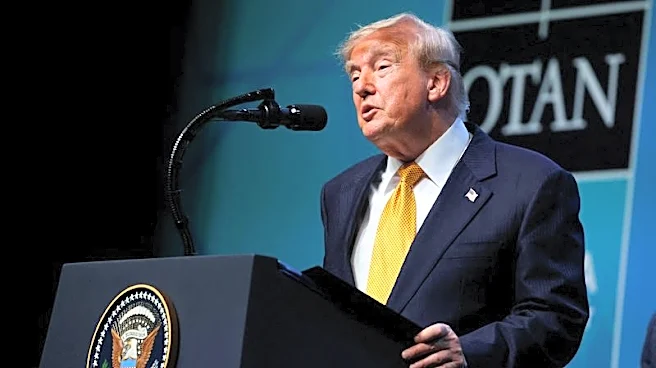
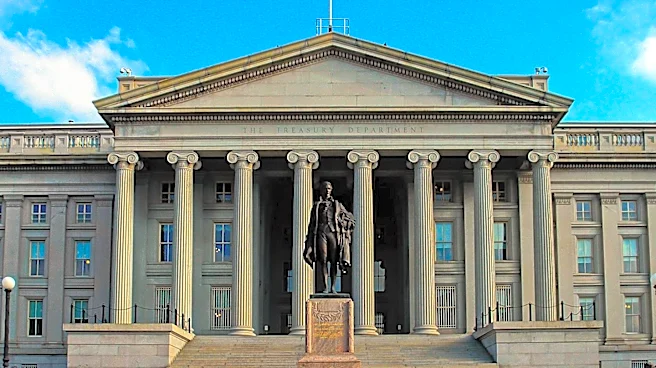
Thirty state financial officers are calling on President Trump to direct the U.S. Department of the Treasury to release $39 billion in unclaimed war and savings bonds. This appeal coincides with the upcoming 250th anniversary of the United States. The
treasurers argue that these bonds, purchased during World War II as acts of patriotism, should be returned to the rightful heirs of the original owners, many of whom have passed away without informing their families. The Treasury Department has made strides in modernizing records and improving outreach, but regulatory barriers from the Biden administration's Secure 2.0 Act have complicated the process. This act requires states to prove ownership of the bonds before accessing information about bondholders, a task deemed impossible without federal data.
Why It's Important?
The release of these unclaimed bonds could have significant financial implications for many American families, potentially injecting billions into the economy. It also raises important questions about property rights and the government's role in managing unclaimed assets. The treasurers' request highlights the need for regulatory reform to facilitate the return of these funds. If successful, this initiative could set a precedent for handling other dormant financial assets, impacting public policy and financial regulations. The move is seen as a way to honor the legacy of those who supported the nation during wartime, reinforcing civic trust and patriotism.
What's Next?
If President Trump issues an executive order, it could bypass existing regulatory hurdles and expedite the release of the bonds. This would require the Treasury Department to collaborate with state officials to identify and return the funds to rightful heirs. The process would involve further modernization of records and potentially new legislation to address any remaining legal challenges. Stakeholders, including financial institutions and advocacy groups, may push for broader reforms in the management of unclaimed assets, influencing future policy decisions.