








What's Happening?
High-level talks between the United States and Iran in Islamabad ended without a breakthrough, but sources indicate that dialogue remains open. The meeting, the first direct encounter between US and Iranian officials in over a decade, focused on critical
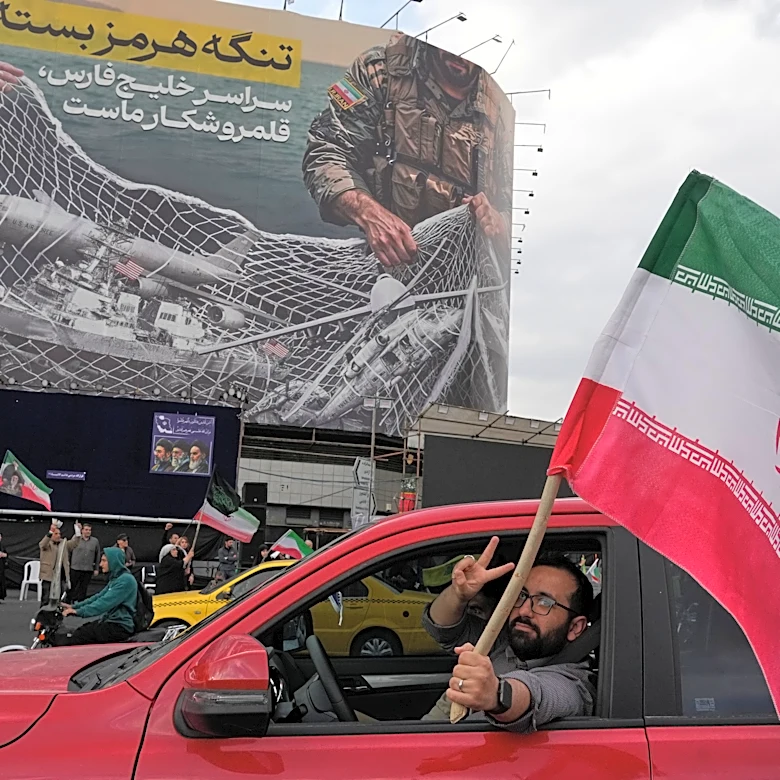
issues such as the Strait of Hormuz and Iran's nuclear program. The US demands included ending uranium enrichment and reopening the strait, while Iran sought a permanent ceasefire and lifting of sanctions. Despite the tense atmosphere, both sides came close to an agreement, with discussions facilitated by Pakistani mediators. The talks highlighted the deep-seated mistrust and complex geopolitical dynamics at play.
Why It's Important?
The continuation of dialogue between the US and Iran is crucial for regional stability and global energy security. The Strait of Hormuz is a vital transit point for global oil supplies, and its closure by Iran has significant economic implications. The US's focus on preventing Iran from obtaining nuclear weapons reflects broader security concerns in the Middle East. The talks' failure to produce a concrete agreement underscores the challenges in resolving longstanding issues, but the willingness to continue discussions suggests a potential path forward. The outcome of these negotiations could have far-reaching effects on international relations and economic conditions.
What's Next?
Both the US and Iran are expected to continue diplomatic engagements, with Pakistan playing a mediating role. The potential for a renewed agreement remains, but significant concessions from both sides will be necessary. The international community, particularly countries reliant on Middle Eastern oil, will be closely watching for any developments. The US may increase diplomatic pressure on Iran, while Iran may seek to bolster its regional alliances. The situation remains fluid, with the possibility of further negotiations or escalations in tensions.