





What's Happening?
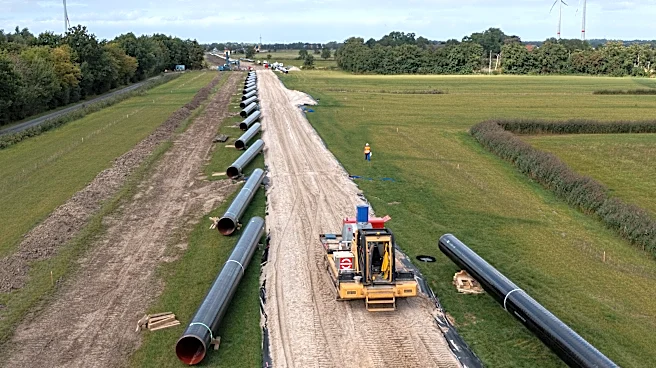
The Department of Energy is providing up to $42 million in Defense Production Act Title III funding for pre-construction and permitting activities related to the proposed 125-mile Constitution Pipeline. This pipeline is planned to run from Pennsylvania
to New York and is managed by Constitution Pipeline Company, LLC. The allocated funds are intended to cover environmental reviews, assessments, engineering, and site preparation. Once the necessary permits are secured, the funding may also be utilized to support the deployment of complementary natural gas infrastructure. This initiative is part of a broader effort that references $1 billion appropriated under the Working Families Tax Cut for various energy projects. A detailed fact sheet regarding this funding was subsequently released on October 21.
Why It's Important?
This funding is significant for U.S. energy infrastructure development, particularly in the Northeast region. The Constitution Pipeline aims to enhance natural gas transportation capacity, which can impact energy supply and pricing for consumers and industries in Pennsylvania and New York. The use of Defense Production Act Title III funding underscores the perceived national security and economic importance of this project. For the energy sector, it signals continued federal support for natural gas infrastructure, potentially influencing investment decisions and job creation in engineering, construction, and related fields. Environmental groups and local communities along the proposed route may closely monitor the environmental review processes, as such projects often raise concerns about ecological impact and land use.
What's Next?
The immediate next steps involve the Constitution Pipeline Company, LLC, utilizing the $42 million for the specified pre-construction and permitting activities. This includes conducting environmental reviews, completing engineering designs, and preparing sites. The successful acquisition of all necessary permits will be a critical milestone, after which the project can proceed to the construction phase, potentially with additional funding for infrastructure deployment. Stakeholders, including state regulatory bodies, environmental organizations, and local communities, will likely remain engaged throughout the permitting and construction phases, monitoring compliance with environmental and safety standards. The project's progress will also be influenced by broader energy policy developments and market demands for natural gas.
Beyond the Headlines
The federal investment in the Constitution Pipeline highlights the ongoing tension between energy security and environmental conservation in U.S. policy. While the project aims to bolster natural gas supply, it also raises questions about the long-term commitment to fossil fuel infrastructure amidst growing calls for renewable energy transition. The use of the Defense Production Act for a natural gas pipeline could set a precedent for future energy projects deemed critical for national interests, potentially streamlining approvals for similar initiatives. This development also reflects the complex interplay between federal funding, state-level permitting, and private sector involvement in large-scale infrastructure projects, often leading to protracted legal and public relations challenges.