




What's Happening?
Alaska is bracing for a significant weather event, with forecasts predicting heavy snow for the Interior and Northwest regions, heavy rain for the Panhandle, and a wintry mix for Southcentral areas. An intense storm originating in the Bering Sea is moving
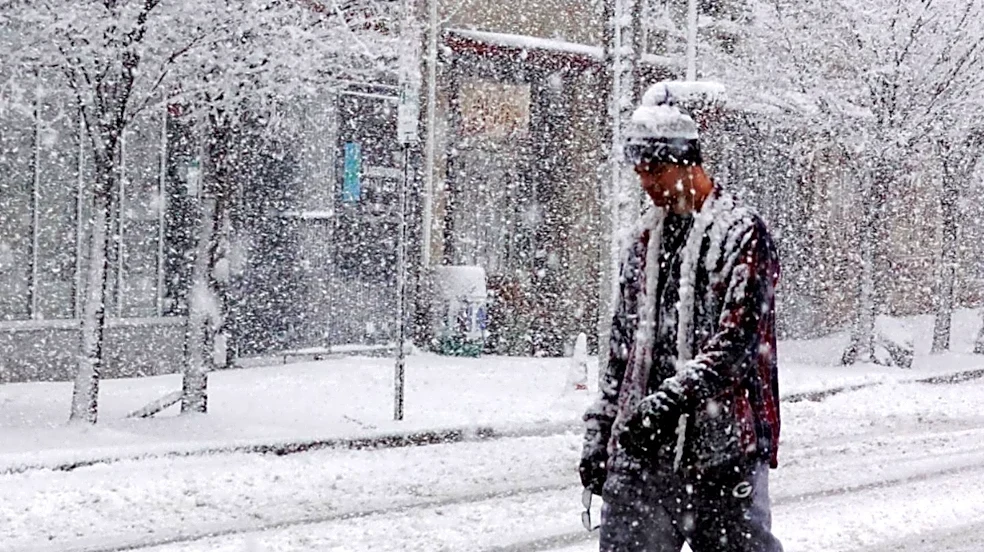
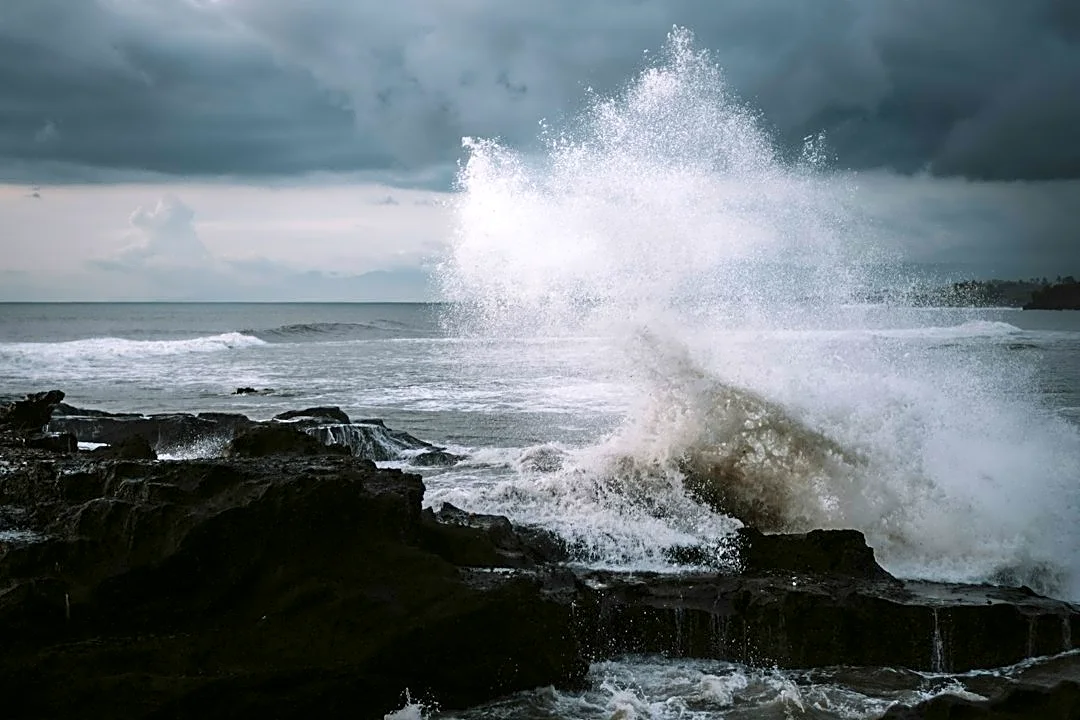
across Southwest Alaska, bringing widespread precipitation and gusty winds. The southern coastline, including Prince William Sound and the Northern Gulf coast from Yakutat to Juneau, could see 2 to 7 inches of rain by Wednesday, accompanied by winds gusting up to 65 mph. Inland areas like Thompson Pass are expected to receive 10 to 18 inches of snow, while the Northern Copper Valley could get 4 to 8 inches. The Interior is forecast to experience 5 to 10 inches of snow by Tuesday, with a Winter Storm Warning issued for the Upper Chena River Valley, Southern and Eastern Yukon Flats, White Mountains, and Eagle Summit. Road conditions are expected to be hazardous across all Interior highways.
Why It's Important?
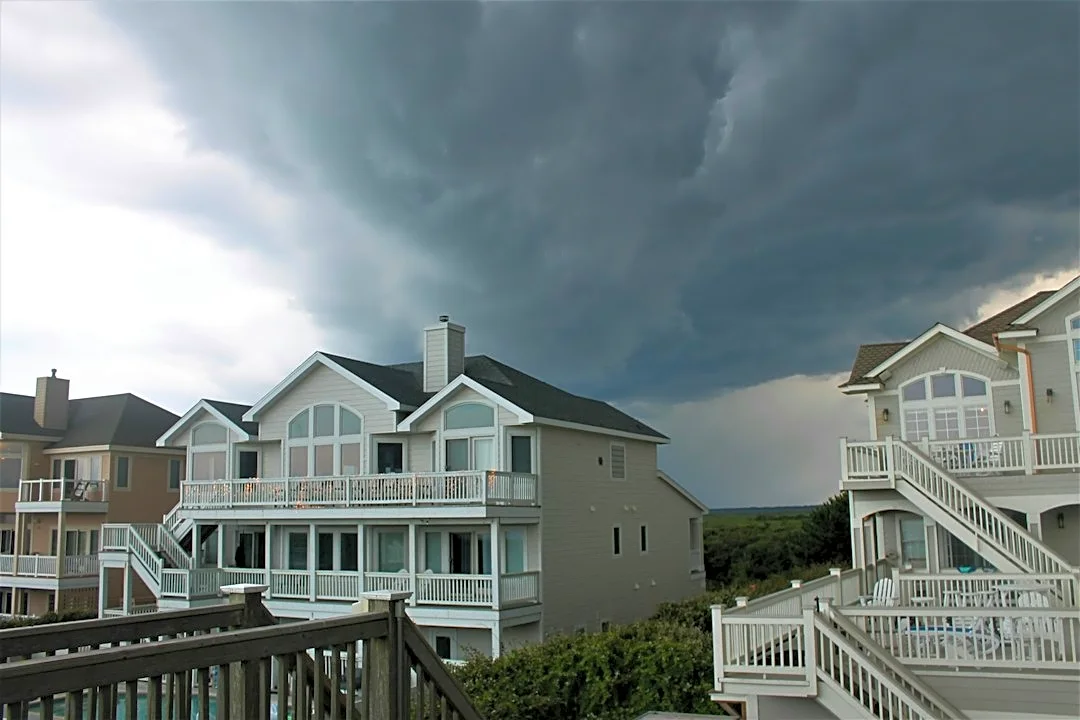
This widespread severe weather event poses significant risks to infrastructure, transportation, and public safety across Alaska. Heavy snowfall can lead to road closures, power outages, and dangerous driving conditions, impacting daily commutes and essential services. Heavy rainfall, particularly in coastal areas, increases the risk of flooding and landslides, threatening homes and communities. Gusty winds can further exacerbate these issues, causing property damage and making travel hazardous. The disruption to transportation networks, including roads and potentially air travel, can isolate communities and impede emergency response efforts. For industries like fishing, tourism, and resource extraction, severe weather can lead to operational delays and economic losses, highlighting the state's vulnerability to extreme climatic conditions.
What's Next?
Residents across Alaska are advised to monitor weather updates closely and take necessary precautions, including securing property, preparing for potential power outages, and avoiding non-essential travel. Emergency services and transportation departments will be on high alert, ready to respond to incidents such as road closures, accidents, and power disruptions. Communities in flood-prone areas will need to prepare for potential evacuations. The long-term implications may include assessing and repairing infrastructure damage, and potentially reviewing and updating emergency preparedness plans to better cope with increasingly severe weather patterns. The event will serve as a critical test of Alaska's resilience and its ability to manage widespread natural hazards.
Beyond the Headlines
This severe weather event in Alaska underscores the broader challenges posed by climate change and its impact on vulnerable regions. The intensity and widespread nature of the storm could be indicative of changing weather patterns, leading to more frequent and extreme events. For Alaska, a state already grappling with the effects of a warming climate, such events highlight the urgent need for climate adaptation strategies, including investments in resilient infrastructure and early warning systems. It also brings to the forefront discussions about the economic and social costs of climate change, particularly for remote communities and indigenous populations who are often disproportionately affected. The event serves as a stark reminder of the interconnectedness of environmental changes and human well-being.