





What's Happening?
New York City health officials have announced that over two dozen individuals who were affected by a Legionnaires' disease outbreak on the Upper East Side have been discharged from the hospital. The outbreak had led to a cluster of cases, prompting health authorities
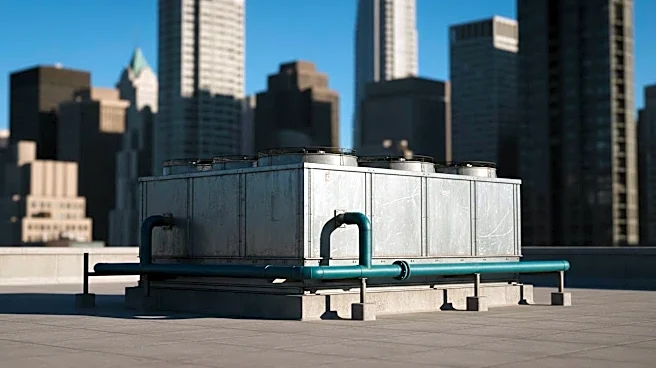
to take swift action to manage the situation. Legionnaires' disease is a severe form of pneumonia caused by the Legionella bacteria, which can be found in water systems such as cooling towers, hot tubs, and large plumbing systems. The disease is not spread from person to person but through inhalation of contaminated water droplets. The recent cluster had raised concerns among residents and health officials, leading to increased monitoring and testing of water systems in the affected area.
Why It's Important?
The discharge of these patients marks a significant step in managing the outbreak and alleviating public concern. Legionnaires' disease can be fatal, especially for older adults and those with weakened immune systems, making the swift response by health officials crucial. The incident highlights the importance of regular maintenance and monitoring of water systems to prevent such outbreaks. It also underscores the need for public awareness about the disease and its symptoms, which include cough, fever, and muscle aches. The successful discharge of patients may restore confidence in the city's public health measures and infrastructure, but it also serves as a reminder of the ongoing need for vigilance in preventing similar occurrences.
What's Next?
Health officials are likely to continue monitoring the situation closely to ensure no further cases arise. They may also implement additional safety measures and inspections of water systems in the area to prevent future outbreaks. Public health campaigns could be initiated to educate residents about the symptoms of Legionnaires' disease and the importance of seeking medical attention if symptoms appear. The city might also review and update its protocols for managing such outbreaks to improve response times and effectiveness in the future.