




What's Happening?
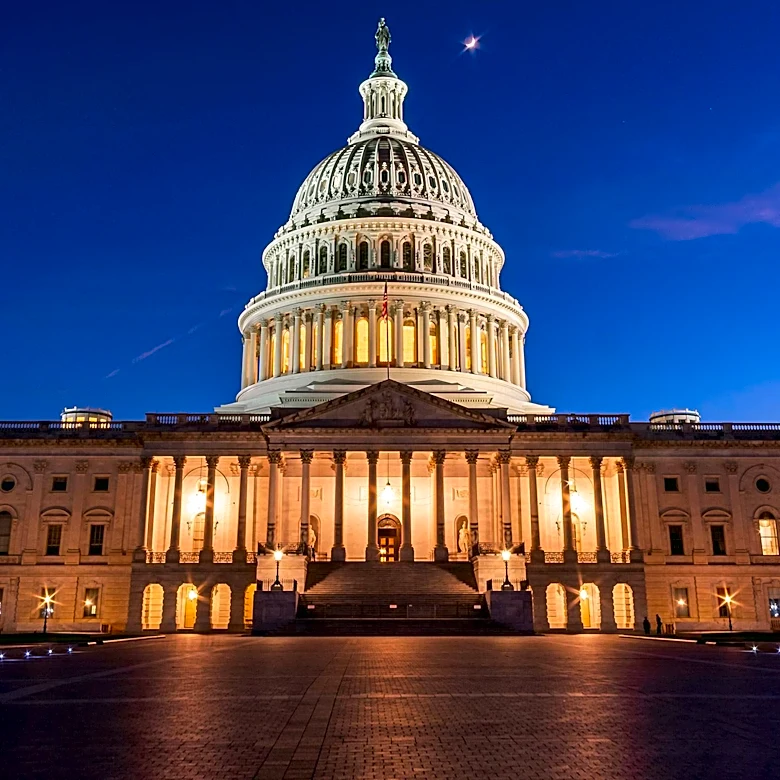
The U.S. House of Representatives has passed the bipartisan Diesel Emissions Reduction Act (DERA) of 2025. This legislation, co-led by Representatives Doris Matsui (D-CA), Ken Calvert (R-CA), Chellie Pingree (D-ME), and Nick Langworthy (R-NY), aims to
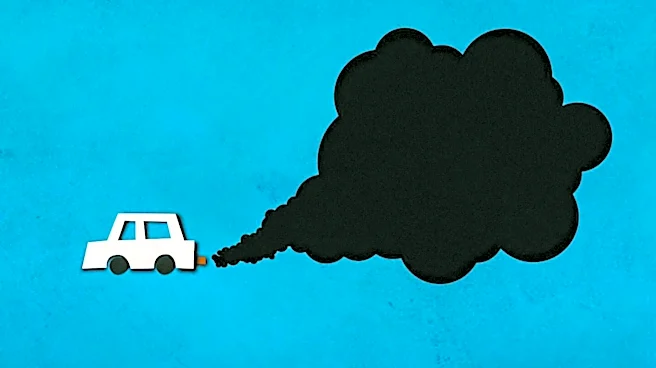
reauthorize the DERA program through fiscal year 2029 with an annual allocation of $100 million. The bill passed with a significant majority, 343-79. The DERA program provides grants and rebates to various entities, including schools, local governments, small businesses, and fleet operators, to facilitate the replacement or upgrade of older diesel engines and equipment. Supporters of the act emphasize its role in improving air quality and public health by reducing diesel pollution. The American Trucking Associations (ATA) has applauded the House's passage of the bill, highlighting its importance for the trucking industry in updating fleets and achieving fuel savings and emissions reductions. The measure will now proceed to the Senate for consideration before potentially being sent to the President for signing.
Why It's Important?
The passage of the Diesel Emissions Reduction Act is important for several reasons, impacting environmental health, economic sectors, and public policy. Environmentally, the reauthorization of DERA is expected to continue reducing harmful diesel emissions, contributing to cleaner air and improved public health across the nation. This is particularly significant given that older diesel engines, without upgrades, contribute disproportionately to air pollution. Economically, the program offers financial incentives that help businesses, especially small businesses and fleet operators, invest in newer, more efficient diesel technology. This support can alleviate the financial burden of upgrading equipment, which might otherwise be prohibitive. For the trucking industry, as noted by the American Trucking Associations, DERA is crucial for maintaining modern fleets, leading to fuel efficiency and operational cost savings. From a policy perspective, the bipartisan support for this act demonstrates a consensus on the need for continued federal investment in environmental protection and technological upgrades, showcasing a collaborative approach to addressing both economic and environmental challenges.
What's Next?
Following its passage in the House, the Diesel Emissions Reduction Act of 2025 will now move to the Senate for further consideration. If the Senate approves the measure, it will then be sent to the President for signature to become law. Should it be enacted, the DERA program will continue to provide federal grants and rebates, enabling schools, local governments, small businesses, and fleet operators to replace or retrofit heavy-duty diesel vehicles and engines. This ongoing support is anticipated to facilitate the continuous upgrade of older diesel equipment, leading to further reductions in diesel pollution and improvements in air quality. Stakeholders, including environmental groups, public health organizations, and industry associations like the American Trucking Associations, will likely monitor its progress through the Senate and its subsequent implementation, advocating for the program's continued effectiveness and funding.
Beyond the Headlines
The reauthorization of the Diesel Emissions Reduction Act underscores a broader societal shift towards cleaner energy and environmental responsibility, even within sectors traditionally reliant on fossil fuels. While the immediate impact is on reducing diesel emissions, the program also highlights the role of federal incentives in driving technological adoption and fostering innovation in engine design. It reflects a pragmatic approach to environmental policy, acknowledging the existing infrastructure and economic realities of industries like trucking, rather than imposing immediate, drastic changes. This strategy allows for a gradual transition to cleaner technologies, balancing environmental goals with economic feasibility. Furthermore, the bipartisan nature of the bill suggests a recognition across the political spectrum of the tangible benefits of such programs, including improved public health outcomes and support for American businesses in modernizing their operations. This collaborative legislative effort could serve as a model for addressing other complex environmental and economic challenges.