







What's Happening?
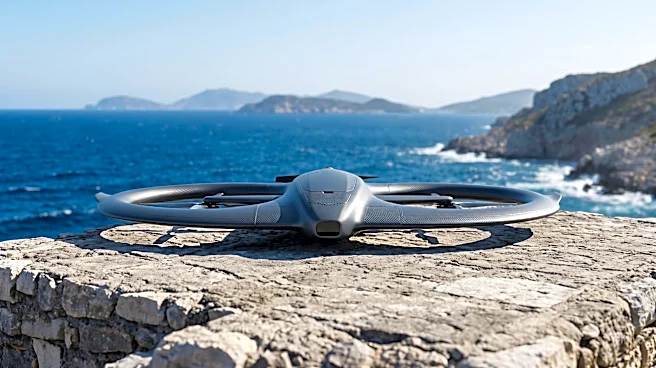
The NATO Support and Procurement Agency (NSPA) has placed an order for additional Shield V-BAT vertical take-off and landing (VTOL) uncrewed aerial vehicles (UAVs) for the Hellenic Armed Forces of Greece. These additional aircraft will expand Greece's
existing V-BAT fleet, which is utilized for intelligence, surveillance, and reconnaissance (ISR) missions across both land and sea environments. Shield stated that operating a common V-BAT fleet across the Greek Army and Navy will enable shared training, maintenance procedures, and operational experience, thereby enhancing interoperability between the two services. The V-BAT is designed for operations without runways, capable of launching and landing from ships, islands, coastlines, and other austere sites, and boasts an endurance of over 12 hours with a heavy-fuel engine. The order was placed under the NSPA's UAS Support Partnership framework, which allows participating nations to procure and support uncrewed aerial systems throughout their service lives.
Why It's Important?
This procurement is significant for NATO's collective defense capabilities, particularly in the strategically vital Aegean region. For the U.S., as a key NATO member, the enhancement of allied capabilities directly contributes to overall alliance strength and burden-sharing. The V-BAT drones provide persistent ISR capacity, which is crucial for monitoring maritime activities and securing critical infrastructure in a complex geopolitical environment. The NSPA's role in facilitating this acquisition streamlines the process for Greece, ensuring access to advanced technology and shared logistics, which can reduce costs and improve efficiency. The increased interoperability between the Greek Army and Navy through a common drone fleet strengthens their ability to conduct joint operations, making them more effective partners within NATO frameworks and potentially reducing the need for direct U.S. involvement in certain surveillance tasks.
What's Next?
The delivery and integration of these additional V-BAT drones into the Hellenic Armed Forces will proceed, with a focus on standardizing training and maintenance across the Greek Army and Navy. The NSPA's UAS Support Partnership framework will continue to provide long-term support, including spares, upgrades, and technical assistance, ensuring the operational readiness of the fleet. Shield's ongoing activities in Greece, including agreements with GEK TERNA for potential local production and sustainment, and partnerships with ALTUS LSA and EFA GROUP for arming and autonomous pilot development, indicate a deeper integration of Greek industry into the V-BAT program. This could lead to further technological advancements and localized support for the drones, enhancing Greece's defense industrial base and its strategic autonomy within NATO.
Beyond the Headlines
The acquisition of more V-BAT drones by Greece, facilitated by NATO, underscores a broader trend within the alliance towards increasing reliance on uncrewed systems for ISR and other defense functions. This shift reflects the cost-effectiveness and reduced risk to personnel offered by UAVs compared to traditional crewed platforms. The V-BAT's ability to operate in GPS- and communications-denied environments highlights the growing emphasis on resilient and adaptable technologies in modern warfare. Furthermore, the NSPA's role in pooling requirements and providing shared logistics points to a strategic effort within NATO to optimize procurement and support for advanced defense systems across member states. This collaborative approach not only enhances individual nations' capabilities but also strengthens the collective defense posture of the alliance, allowing for more efficient resource allocation and technological advancement in response to evolving threats.