






What's Happening?
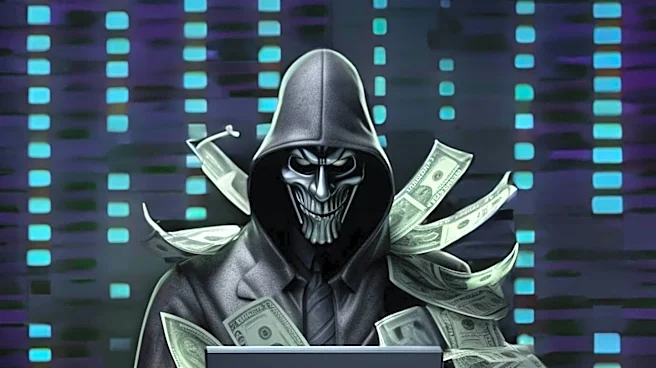
The U.S. Postal Service (USPS) has issued a warning to its employees regarding recent phone scams where criminals impersonate IT or Service Desk staff to steal login information. USPS explicitly states that it will never call, text, or email employees to request
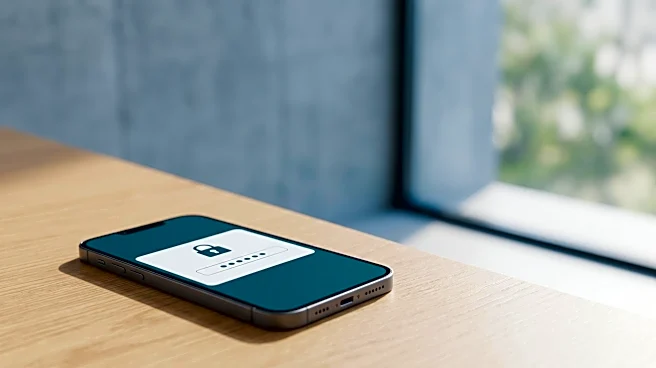
their password, multifactor authentication (MFA) code, or direct them to a website for login. Employees are advised never to share their LiteBlue login information, as doing so can lead to unauthorized changes to their accounts. To enhance security, all USPS employees are required to have MFA enabled to access LiteBlue and their Self-Service Profile. The USPS recommends registering at least two MFA security methods and, whenever possible, using authentication methods other than SMS/text messages, which are considered less secure.
Why It's Important?
This warning is crucial for protecting the personal and professional data of USPS employees and safeguarding the integrity of the USPS's internal systems. Phishing and impersonation scams are common cyber threats that can lead to significant data breaches, identity theft, and unauthorized access to sensitive information. If successful, these scams could compromise employee accounts, potentially affecting payroll, benefits, and other critical HR functions. Furthermore, unauthorized access to USPS systems could disrupt operations, compromise mail security, and undermine public trust. By emphasizing MFA and educating employees about scam tactics, USPS aims to strengthen its cybersecurity posture, mitigate risks, and ensure the secure management of its vast workforce and operational data.
What's Next?
USPS employees are urged to report any suspicious activity to CyberSafe@usps.gov immediately. They are also directed to update their MFA settings by clicking a provided link to ensure they have robust security measures in place. The ongoing emphasis on MFA and employee awareness campaigns suggests a continuous effort by USPS to combat evolving cyber threats. This proactive approach will likely involve regular security reminders, training, and updates to security protocols to keep pace with new scam techniques. The goal is to create a more secure digital environment for all USPS operations and protect its employees from falling victim to cybercriminals.
Beyond the Headlines
The USPS's cybersecurity warning reflects a broader challenge faced by large organizations, both public and private, in protecting their digital infrastructure and employees from sophisticated cyberattacks. As technology advances, so do the methods used by cybercriminals, making continuous vigilance and education essential. The recommendation to use MFA methods other than SMS highlights a growing recognition of the vulnerabilities associated with text-message-based authentication, pushing towards more secure alternatives like authenticator apps or hardware tokens. This situation also underscores the critical role of human factors in cybersecurity; even the most advanced technical safeguards can be bypassed if employees are not adequately trained and aware of social engineering tactics. The USPS's efforts contribute to a national conversation about digital security best practices and the shared responsibility of organizations and individuals in maintaining a secure online environment.