


What's Happening?
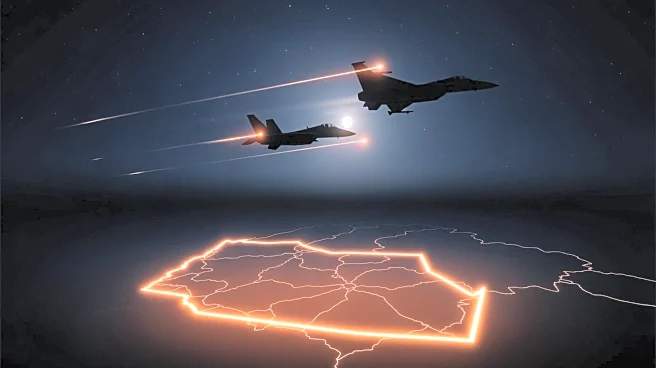
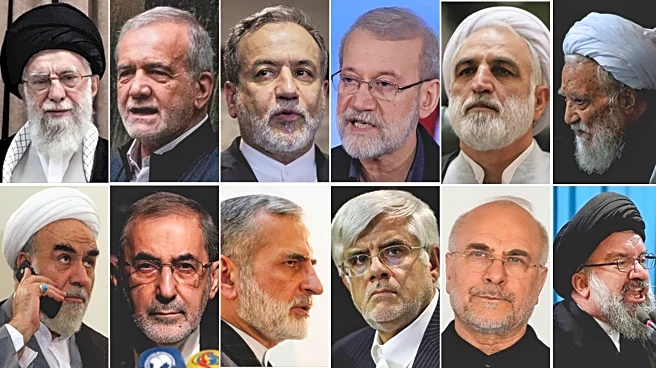
On February 28, 2026, the United States and Israel launched a significant military operation against Iran. This action was publicly supported by President Donald Trump, who stated that the operation's objective was to facilitate a regime change in Iran. The
strike represents a major escalation in the already tense relations between the U.S. and Iran, with potential implications for regional stability in the Middle East. The operation underscores the ongoing geopolitical tensions and the strategic alliances between the U.S. and Israel in addressing perceived threats from Iran.
Why It's Important?
The military strike on Iran by the U.S. and Israel marks a critical moment in international relations, particularly concerning Middle Eastern geopolitics. This action could have far-reaching consequences for global oil markets, given Iran's significant role as an oil producer. Additionally, the strike may influence U.S. foreign policy and its relations with other countries in the region, potentially leading to increased military engagements or diplomatic efforts to stabilize the situation. The operation also highlights the U.S.'s commitment to its allies and its stance on Iran's government, which could affect future diplomatic negotiations and international alliances.
What's Next?
Following the strike, there may be a range of responses from Iran, including potential retaliatory actions or diplomatic protests. The international community, including the United Nations and other global powers, may call for restraint and seek to mediate the situation to prevent further escalation. The U.S. and Israel may also face diplomatic challenges as they justify their actions to the global community. Additionally, there could be increased security measures and military readiness in the region to address any potential fallout from the operation.