







What's Happening?
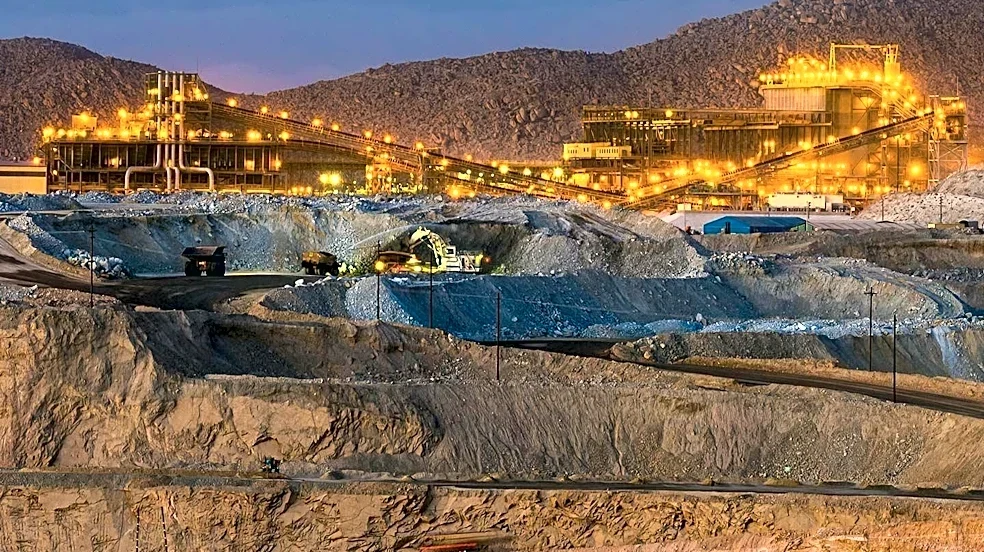
Global demand for minerals essential for the energy transition is leading governments to prioritize securing supplies, often through fast-track permitting processes. This approach frequently bypasses meaningful public engagement, transparency, and the protection
of human rights, according to the Business and Human Rights Centre. The urgency to acquire these minerals is taking precedence over good governance and states' duty to protect human rights. This method of mineral extraction is creating resentment, conflict, lawsuits, and project delays among affected individuals and communities. The report suggests that this could ultimately undermine democratic institutions and erode public trust in politicians driving climate action. The lack of participatory processes and transparency is seen as a significant threat to a just and sustainable energy transition.
Why It's Important?
The current governmental approach to securing critical minerals poses a substantial risk to the long-term viability and public acceptance of the energy transition. By sidelining public participation and human rights considerations, governments are fostering an environment of distrust and potential social unrest. This could lead to increased project delays and legal challenges, hindering the very progress they aim to accelerate. The erosion of trust in democratic institutions, particularly concerning climate action, could have far-reaching consequences, making it more difficult to implement future environmental policies. Upholding participatory processes, transparency, corporate human rights, and environmental due diligence are presented not as obstacles but as fundamental cornerstones for legitimate and durable public support for the energy transition.
What's Next?
To mitigate these risks, governments are urged to recognize that participatory processes, transparency regarding mining decisions and mineral end-uses, corporate human rights, and environmental due diligence are crucial. They must also ensure sound environmental and rights regulatory frameworks and protect human rights defenders. Implementing these measures is seen as an obligation and a foundation for building the trust and legitimacy necessary for a sustainable energy transition. Failure to adopt these practices could lead to continued conflict and opposition, further delaying critical mineral projects and potentially jeopardizing climate goals. The focus should shift from fast-tracking permits to fostering genuine engagement and accountability.
Beyond the Headlines
The issue extends beyond mere project delays, touching upon fundamental ethical and governance principles. The prioritization of mineral extraction over human rights and democratic processes highlights a potential conflict between urgent climate action and the principles of justice and equity. This approach could exacerbate existing social inequalities and create new forms of environmental injustice, particularly in communities directly impacted by mining operations. The long-term implications include a potential weakening of democratic norms and a deepening of public cynicism towards government initiatives, even those aimed at addressing global challenges like climate change. A more holistic approach that integrates human rights and democratic participation is essential for a truly sustainable and equitable energy transition.