





What's Happening?
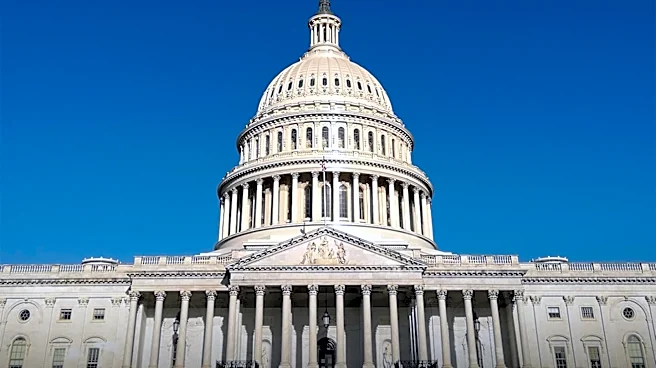
U.S. Senator Kirsten Gillibrand (D-NY), Ranking Member of the Senate Aging Committee, recently hosted the first-ever Congressional hearing focused on menopause-related healthcare services. Titled 'Half the Country, Zero Hearings: Meeting the Moment to End
the Menopause Care Gap in America,' the hearing on September 16 addressed the significant void in care impacting an estimated 75 million people. Expert witnesses at the hearing highlighted various barriers to adequate menopause care, emphasizing the urgent need for increased research and standardized training for healthcare professionals in this field. The initiative by Senator Gillibrand aims to bring long-overdue attention to a critical aspect of women's health that has historically been overlooked within the healthcare system.
Why It's Important?
This Senate hearing marks a pivotal moment for women's health in the United States, as it formally acknowledges and addresses the systemic deficiencies in menopause care. The lack of adequate services and research has profound implications for millions of American women, affecting their quality of life, professional careers, and overall health. By calling for more research and standardized training, the hearing underscores the need to integrate comprehensive menopause care into mainstream medicine, moving beyond the current fragmented and often insufficient approach. Addressing these gaps could lead to improved diagnostic tools, more effective treatments, and better support systems, ultimately enhancing the health outcomes and societal participation of a significant portion of the U.S. population.
What's Next?
Following this inaugural hearing, the focus will likely shift towards legislative actions and policy changes aimed at implementing the recommendations made by expert witnesses. This could include proposals for increased federal funding for menopause research, initiatives to develop standardized training programs for healthcare providers, and efforts to improve insurance coverage for menopause-related treatments and services. The Senate Aging Committee, under Senator Gillibrand's leadership, may continue to hold discussions and gather input from medical professionals, patient advocacy groups, and other stakeholders to formulate concrete legislative proposals. The long-term goal is to establish a more robust and equitable healthcare framework for menopause care across the nation.
Beyond the Headlines
The Senate hearing on menopause care extends beyond immediate healthcare policy, touching upon broader societal and economic implications. The historical neglect of menopause in medical research and education reflects a larger pattern of underprioritizing women's health issues. This oversight has contributed to significant economic costs, including lost productivity due to debilitating symptoms and increased healthcare expenditures for misdiagnosed or undertreated conditions. By elevating menopause to a national policy discussion, the hearing challenges existing biases within the medical community and society at large, advocating for a more holistic and gender-equitable approach to healthcare. It also highlights the potential for innovation in medical research and pharmaceutical development if adequate attention and resources are directed towards this critical area.