


What's Happening?
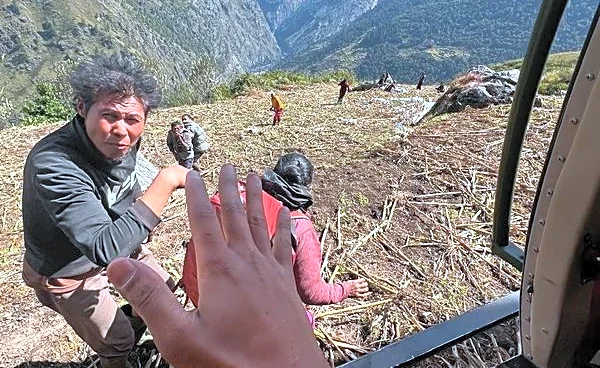
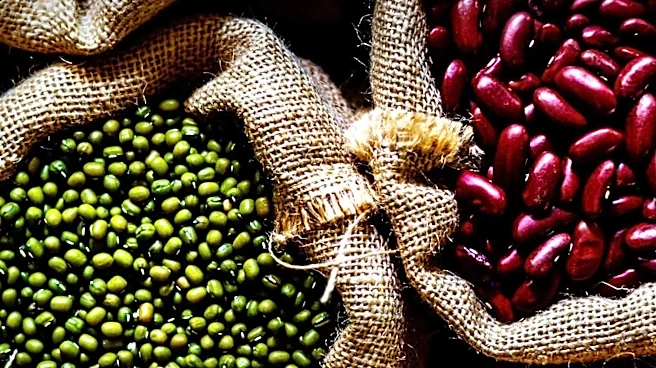
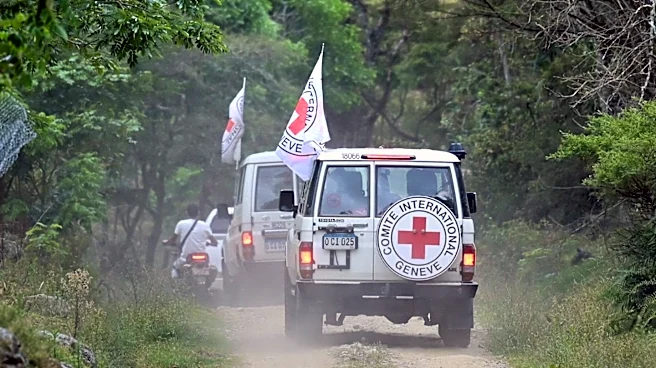
The United Nations World Food Programme (WFP) has initiated an aid operation in Nepal following fresh floods that have caused widespread destruction. Three trucks carrying ready-to-eat food and relief supplies were dispatched by WFP on Sunday to address
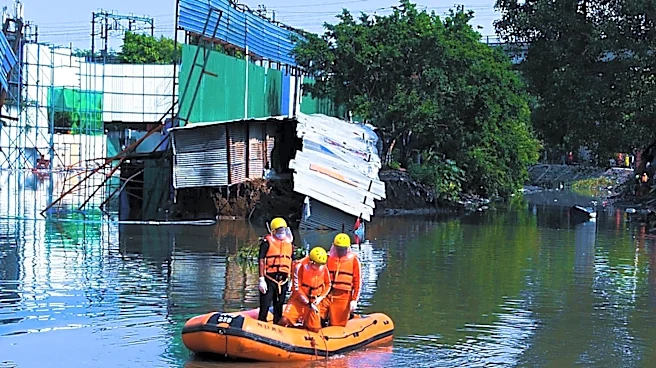
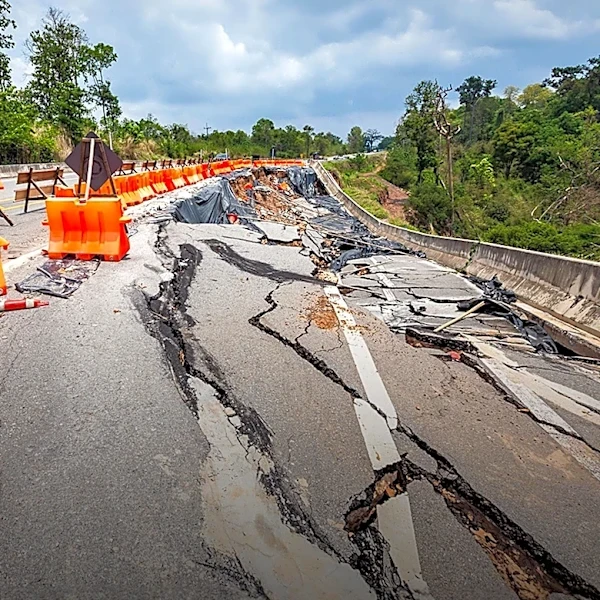
the immediate needs of affected communities. The floods, believed to be caused by a landslide blocking the Budhi Gandaki River, have left at least five people missing and 95 rescued, with hundreds more affected. The UN Country Team expressed solidarity with Nepal, stating, 'Our hearts are with every family affected by the Budhi Gandaki floods. We stand with Nepal.' The UN is collaborating with the National Disaster Risk Reduction and Management Authority (NDRRMA) to deliver food to those who have lost their homes. The UN Food and Agriculture Organization (FAO) reported that the 'devastating' floods have damaged key roads, crops, and livestock, posing a significant threat to local food security.
Why It's Important?
The rapid response by the WFP and other UN agencies is critical for providing immediate relief to communities devastated by the recent floods in Nepal. The destruction of roads, crops, and livestock directly impacts food security, which is a primary concern in such emergencies. The provision of ready-to-eat food and relief supplies can prevent further suffering and loss of life, especially for those displaced and without access to basic necessities. This coordinated effort highlights the importance of international humanitarian aid in supporting national authorities during natural disasters. Furthermore, the use of advanced technologies like FAO drones and satellite imagery by the UN humanitarian affairs office OCHA for damage assessment in inaccessible areas demonstrates a commitment to efficient and effective aid delivery, ensuring resources are directed where they are most needed. This intervention is crucial for stabilizing the immediate humanitarian situation and laying the groundwork for recovery.
What's Next?
The UN Country Team, including WFP, will continue to support the National Disaster Risk Reduction and Management Authority (NDRRMA) in delivering food and relief supplies. UNICEF is conducting rapid assessments to identify impacts and prioritize immediate response actions, with pre-positioned emergency supplies ready for deployment. These supplies include hygiene kits, water treatment supplies, dignity kits, winter clothing, education materials, and psychosocial support services. The UN will also continue to utilize FAO drones and OCHA satellite imagery to map damage in areas inaccessible by road, ensuring a comprehensive understanding of the disaster's scope. The focus will remain on providing safe shelter, clean drinking water, child protection, and psychosocial support to displaced families. This ongoing effort is particularly critical as communities in Nepal are still recovering from previous flooding events, indicating a need for sustained humanitarian assistance and long-term resilience building.
Beyond the Headlines
The recurring nature of floods in Nepal, including the recent event and the devastating glacier collapse in August, underscores the profound impact of climate change and environmental vulnerabilities on communities. Beyond immediate relief, these events highlight the urgent need for long-term strategies in disaster risk reduction, climate adaptation, and sustainable development. The destruction of agricultural infrastructure and livestock not only creates immediate food shortages but also has lasting effects on livelihoods and economic stability, perpetuating cycles of poverty. The coordinated response by UN agencies, while crucial, also points to the broader challenge of building resilient infrastructure and early warning systems in vulnerable regions. Addressing these deeper issues requires sustained international cooperation, investment in climate-resilient development, and policies that protect both human populations and the natural environment from increasingly frequent and intense natural disasters.