





What's Happening?
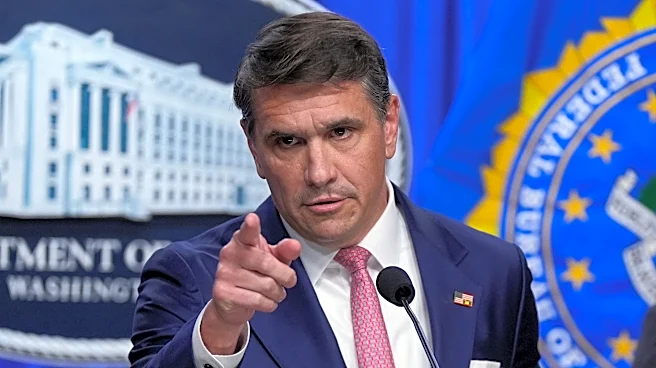
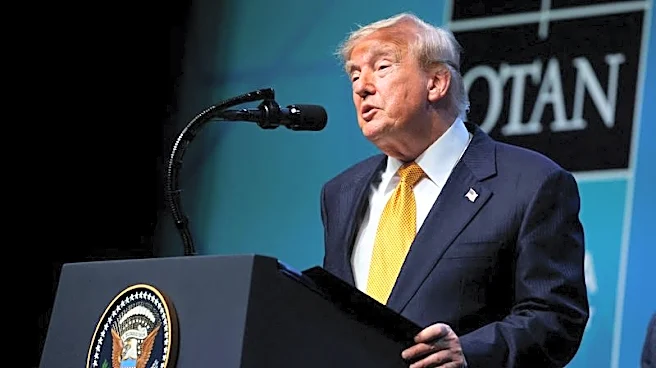
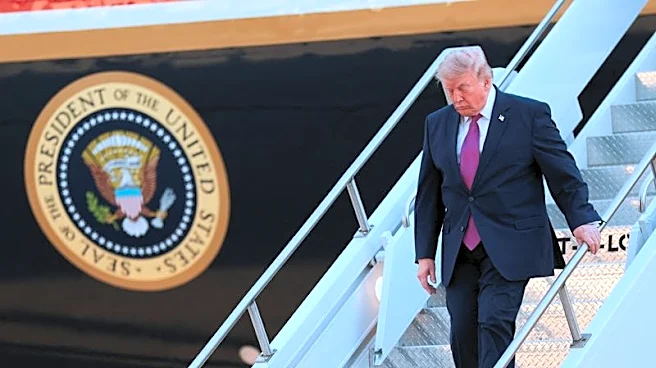
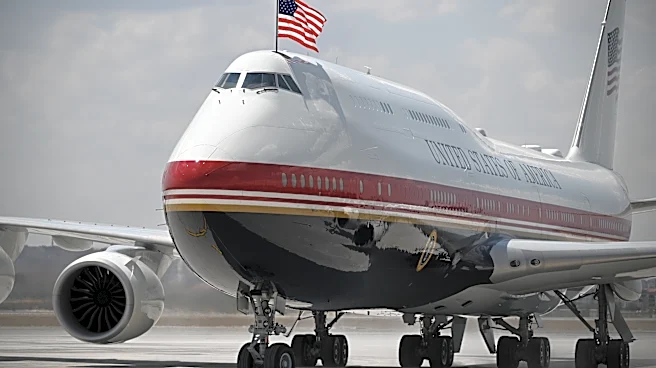
President Donald Trump has initiated legal action against The New York Times following the publication of a story that contradicted his claims about a Qatari-gifted Air Force One. The New York Times reporters received subpoenas for an alleged violation
of federal criminal law shortly after the story's release. The subpoenas demand that the reporters testify before a grand jury about their anonymous sources. Joe Kahn, the executive editor of The Times, criticized the subpoenas as an attempt to intimidate reporters and prevent them from doing their jobs. The Justice Department, under Trump's administration, has been accused of using subpoena power as a first step rather than a last resort, which has raised concerns about press freedom.
Why It's Important?
This development is significant as it highlights the ongoing tension between the Trump administration and the press, particularly concerning press freedom and the protection of journalistic sources. The use of subpoenas against journalists is controversial and raises questions about the balance between national security and the public's right to know. The case underscores the potential for government overreach in prosecuting leaks and the implications for journalistic independence. The outcome of this legal battle could set a precedent for how similar cases are handled in the future, impacting the relationship between the government and the media.
What's Next?
The New York Times plans to fight the subpoenas in court, arguing that they are an overreach of prosecutorial power. The case will likely draw significant attention from press freedom advocates and could lead to further legal challenges. The Justice Department's actions may also prompt discussions about the need for clearer guidelines on the use of subpoenas against journalists. The outcome of this case could influence future policies on press freedom and the protection of sources, potentially affecting how journalists report on sensitive government matters.