




What's Happening?
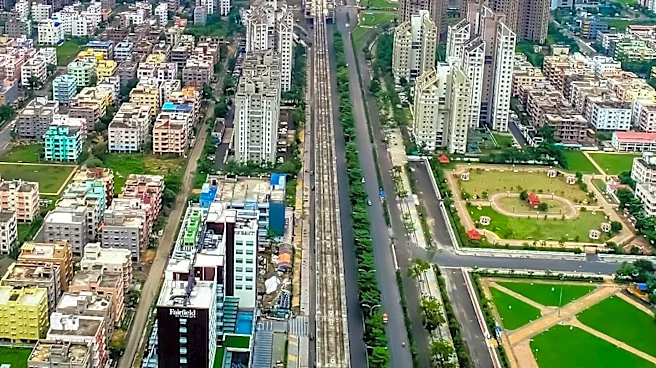
Urban planners in the U.S. are primarily responsible for deciding how land in cities and counties can be used, ensuring new projects comply with established rules. Their work involves a significant amount of zoning reviews, report writing, long-range
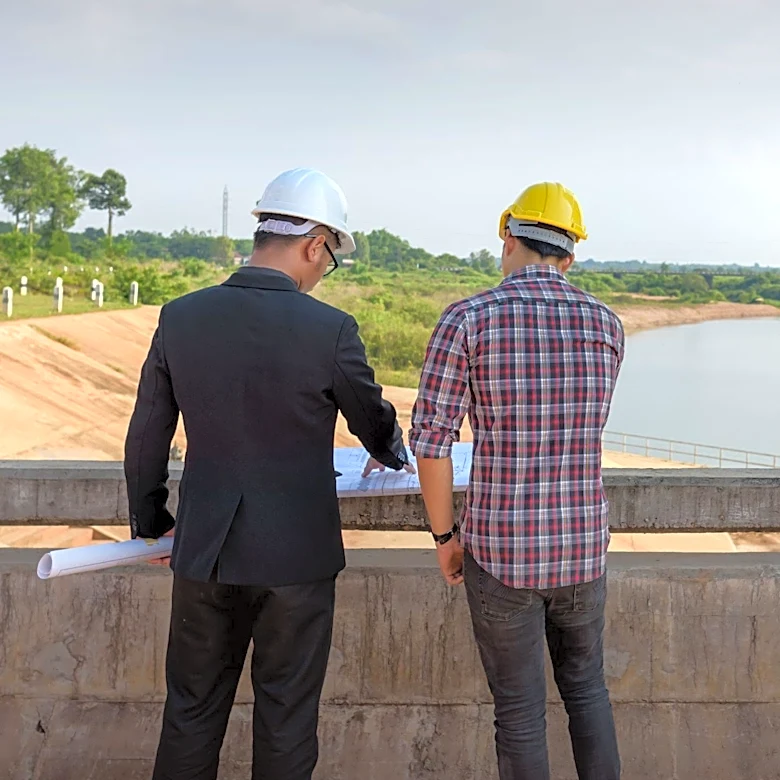
planning, and public hearings. According to O*NET, core tasks include designing and administering plans for land use, zoning, housing, and transportation; advising officials on project feasibility and legality; preparing reports on land use data; and mediating community disputes through public meetings. Most of a planner's week is dedicated to reviewing and processing other people's projects, such as developers seeking to exceed density limits or neighborhoods requesting stop signs. While sketching and design are part of the job, they are not the primary focus, with much of the drawing often handled by others. The role requires extensive reading, writing, meeting, and negotiating, often involving presenting recommendations to potentially upset community members.
Why It's Important?
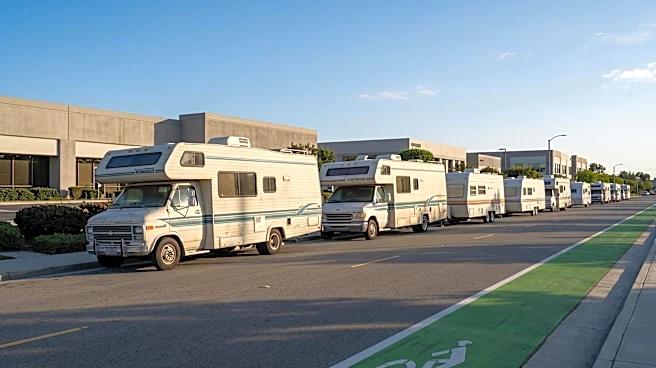
The work of urban planners is crucial for the structured development and functionality of U.S. cities and counties. Their decisions directly impact housing availability, transportation infrastructure, environmental sustainability, and the overall quality of life for residents. By regulating land use and zoning, planners help prevent uncontrolled urban sprawl, which can lead to inefficient resource allocation and environmental degradation. Their involvement in long-range planning ensures that cities can adapt to future challenges like climate change and population growth, addressing issues such as flood mapping, housing density near transit, and safer streets. The mediation of community disputes is vital for fostering civic engagement and ensuring that development projects consider diverse stakeholder interests, balancing economic growth with social and environmental concerns. The stability of these roles, with 74% working for local government, underscores their foundational importance to public administration and urban governance.
What's Next?
The field of urban planning is evolving, with several key trends shaping its future. Climate resilience is a major focus, requiring planners to develop flood maps, buyout plans, and stricter building codes, often relying on federal and state funding. Housing remains a critical area, with new state laws in places like California, Washington, and Montana mandating increased housing density, which translates into code rewrites for planners. Transit planning, including bus lanes and station-area developments, is also a growing area. Furthermore, technology is increasingly integrated into planning, with more offices using online portals for permits and some cities experimenting with AI tools to check building plans against zoning codes. This technological shift is expected to push planners towards more judgment-based decisions, as software handles routine checks. The career path typically involves a clear ladder from assistant planner to planning director, with advancement often taking over a decade.
Beyond the Headlines
Beyond the immediate tasks, urban planning carries significant ethical and societal implications. Planners often face public conflict, needing to present recommendations to diverse and sometimes angry groups while remaining objective. The slow pace of urban development means that projects can take years to materialize, requiring planners to maintain long-term vision and commitment despite potential political shifts or changes in public opinion. The detailed nature of zoning codes and regulations demands meticulous application, ensuring fairness and consistency for all applicants, whether they are friends or strangers. This aspect highlights the importance of integrity and impartiality in the profession. The role also involves a constant balancing act between competing interests—developers, residents, environmental groups—making it a profession that deeply influences the social fabric and economic landscape of communities, often without immediate public recognition for the long-term benefits achieved.