




What's Happening?
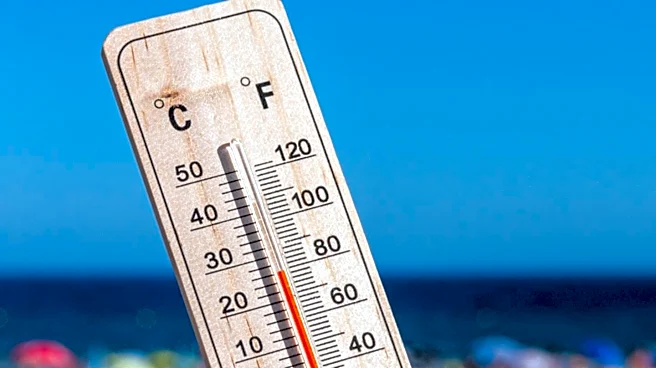
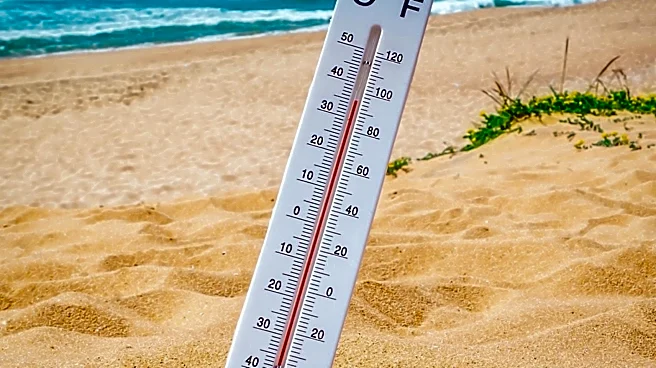
Southern California is currently experiencing a heat wave with temperatures reaching the 90s to low 100s in the valleys and 70s to 80s in coastal areas. The National Weather Service has issued a heat advisory for many areas until Monday evening. The Santa
Barbara Airport recorded a record-high temperature of 95 degrees, surpassing the previous record set in 2016. The heat wave has led to muggy conditions, limiting overnight cooling and increasing the risk of heat-related illnesses. Public health authorities are warning residents to take precautions. The heat wave is expected to peak through Sunday, with a slight drop in temperatures anticipated early next week. However, forecasters predict that the heat will build again after Wednesday.
Why It's Important?
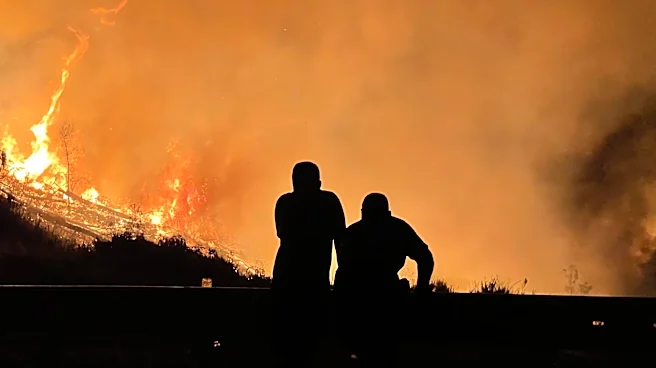
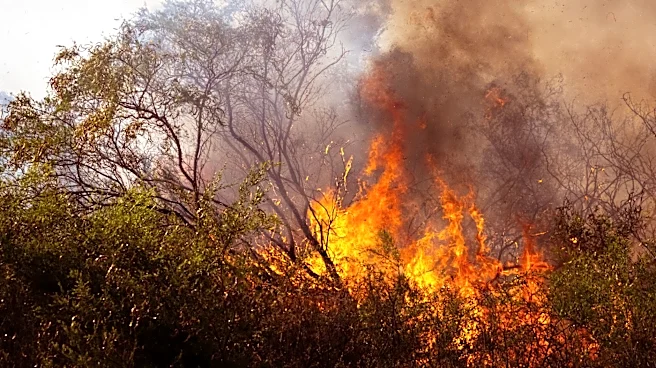
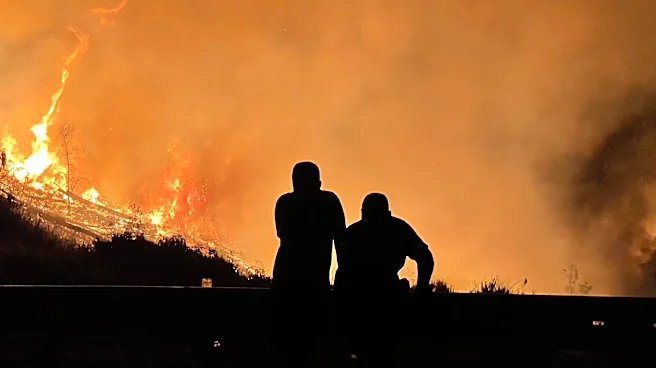
The ongoing heat wave in Southern California poses significant health risks, particularly for vulnerable populations such as the elderly and those with pre-existing health conditions. The elevated temperatures can lead to heat exhaustion and heat stroke, necessitating public health advisories and emergency measures. Additionally, the persistent heat contributes to drying out the landscape, increasing the risk of wildfires, which have already been reported in parts of the state. The situation highlights the broader impacts of climate change, as scientists note that global warming is making heat waves more frequent and severe. The economic and social implications are significant, affecting everything from energy consumption to public safety.
What's Next?
As temperatures are expected to drop slightly early next week, residents may experience temporary relief. However, with forecasts indicating a return of high temperatures, ongoing vigilance and preparedness are necessary. Public health officials will likely continue to issue advisories and recommend measures to mitigate heat-related health risks. The potential for wildfires remains a concern, prompting continued monitoring and readiness from firefighting agencies. The situation underscores the need for long-term strategies to address climate change and its effects on weather patterns.