






What's Happening?
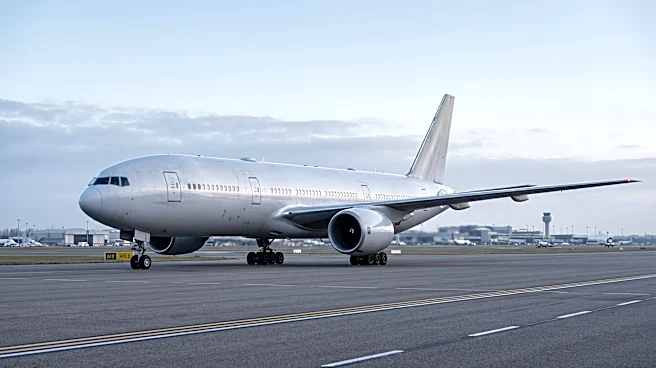
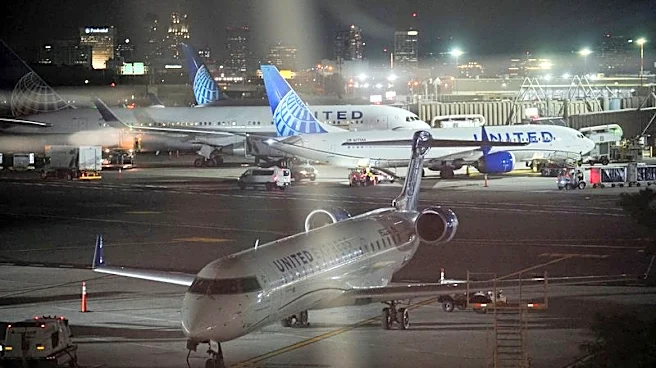
Dallas Love Field has reopened after a temporary closure caused by an FAA-issued alert concerning a security issue involving a commercial aircraft. Dallas Police responded to the airport at 8:31 p.m. for an aircraft alert. A preliminary investigation
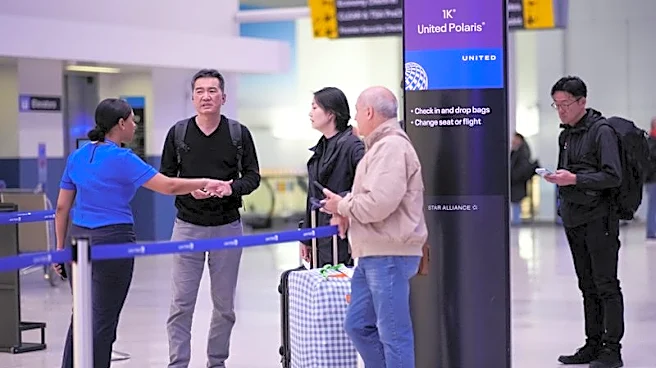
determined that a threat had been made, but it was subsequently deemed unfounded. No injuries were reported during the incident. Authorities are continuing their investigation into the nature of the threat and how it originated. This temporary closure occurred just one day after a nationwide ground stop had halted flights across the country, leading to significant travel disruptions and leaving thousands of passengers stranded.
Why It's Important?
The swift response and subsequent reopening of Dallas Love Field demonstrate the robust security protocols in place at U.S. airports, designed to address potential threats quickly and minimize disruption. However, even unfounded threats can cause significant operational challenges, leading to flight delays, cancellations, and passenger inconvenience. For the aviation industry, such incidents underscore the constant vigilance required to maintain safety and security, especially in the wake of recent nationwide disruptions. The repeated occurrences of airport-related issues, including the prior nationwide ground stop, highlight the fragility of air travel systems and the cascading effects that even minor incidents can have on a large scale, impacting both travelers and airline operations.
What's Next?
Authorities will continue their investigation to identify the source of the unfounded threat and understand the motivations behind it. This could lead to potential legal consequences for those responsible, depending on the nature and intent of the threat. Airports and aviation security agencies may review their communication and response protocols in light of this incident to further enhance efficiency and minimize future disruptions. For travelers, continued vigilance and adherence to airport security guidelines remain crucial. The incident also serves as a reminder for airlines to maintain flexible operational plans to mitigate the impact of unexpected closures or security alerts.
Beyond the Headlines
This event highlights the broader psychological impact of security threats on public confidence in air travel. Even when threats are unfounded, they contribute to a sense of unease and can influence travel decisions. It also raises questions about the ease with which false alarms can be generated and the resources that must be deployed to address them, diverting attention from genuine security concerns. The incident underscores the ongoing tension between maintaining stringent security measures and ensuring the smooth flow of air traffic, a balance that constantly needs to be re-evaluated in the face of evolving threats and technological capabilities. The repeated disruptions also point to the need for resilient infrastructure and communication systems within the aviation sector.