
What's Happening?
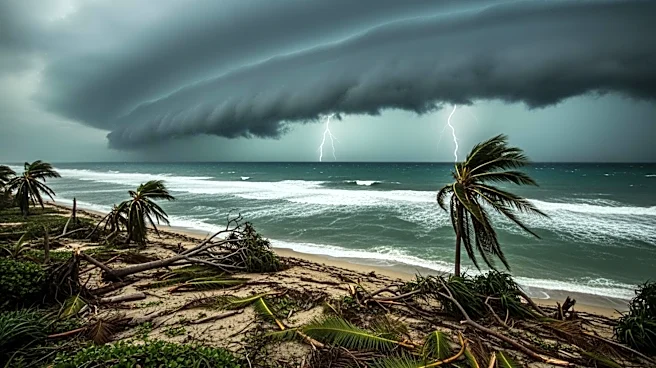
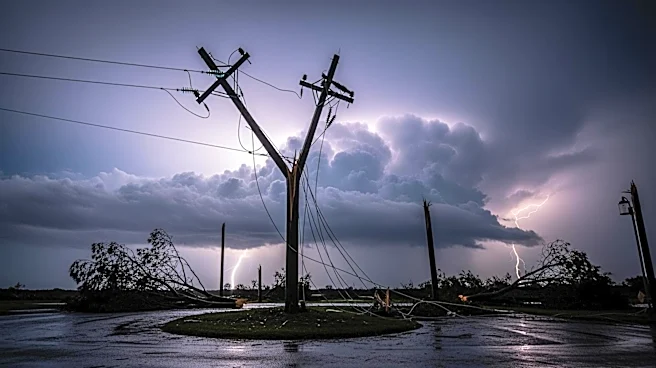
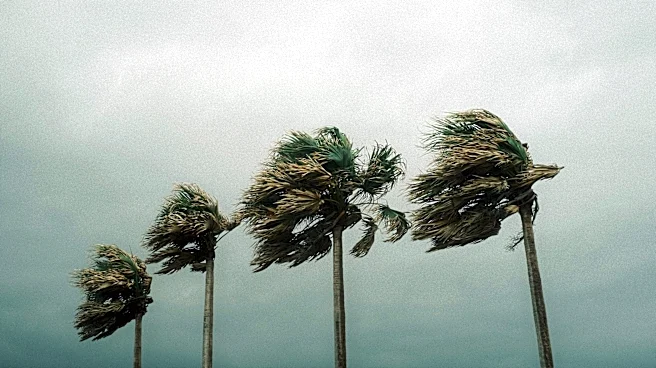
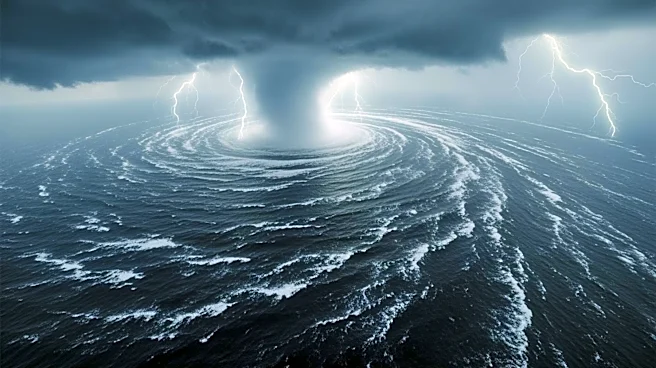
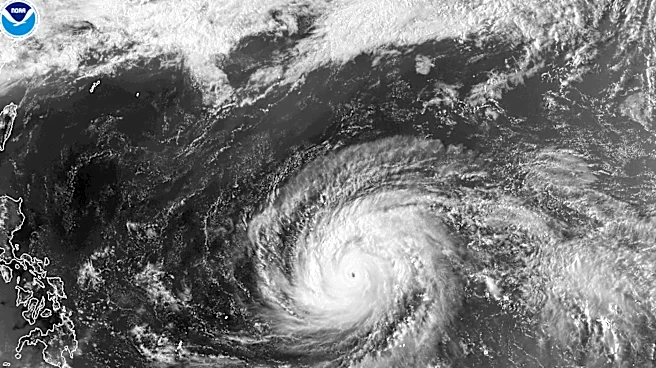
The Northern Mariana Islands, a U.S. territory in the Pacific Ocean, have been severely impacted by Super Typhoon Sinlaku. The storm, which hit the islands with winds up to 150 mph, caused widespread damage, including flipped cars, downed utility poles,
and ripped roofs. The only hospital on Saipan experienced severe flooding, and many areas are without power and water. The Federal Emergency Management Agency (FEMA) is planning to send additional personnel and supplies to assist in recovery efforts. The storm also affected Guam, another U.S. territory, with tropical force winds.
Why It's Important?
The devastation caused by Super Typhoon Sinlaku highlights the vulnerability of the Northern Mariana Islands to extreme weather events. The prolonged loss of power and water poses significant challenges for the local population, affecting daily life and the ability to provide essential services. The situation underscores the need for robust disaster preparedness and response strategies in U.S. territories, particularly as climate change increases the frequency and intensity of such storms. The response from FEMA and other agencies will be crucial in mitigating the impact and aiding recovery efforts.
What's Next?
Recovery efforts in the Northern Mariana Islands will likely take weeks, as authorities work to restore power and water services. The assessment of the full extent of the damage is ongoing, and the response will require coordination between local and federal agencies. The situation may prompt discussions on improving infrastructure resilience and emergency response capabilities in the region. Additionally, the impact of the storm could influence future policy decisions regarding climate change adaptation and disaster management in U.S. territories.