






What's Happening?
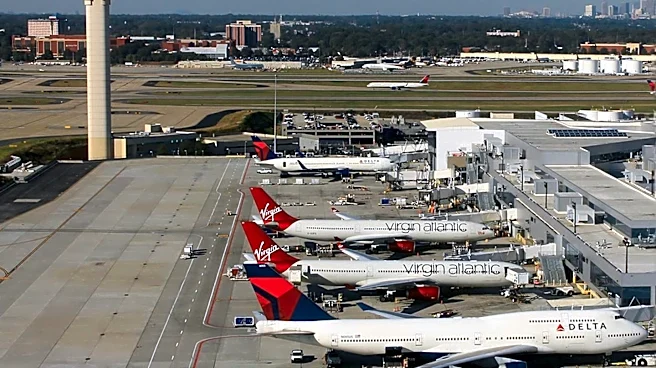
On September 27, 2026, Zoo Atlanta received two giant pandas, six-year-old male Ping Ping and five-year-old female Fu Shuang, from China. They arrived at Hartsfield-Jackson Atlanta International Airport via a dedicated FedEx Boeing 777 freighter. These
pandas, born in 2020 at the Chengdu Research Base of Giant Panda Breeding, will reside at Zoo Atlanta for the next decade under a new International Cooperative Research Agreement with the China Wildlife Conservation Association. Their arrival makes Zoo Atlanta one of only three U.S. zoos to house giant pandas and the sole one in the Southeast. The pandas' new habitat, named the Arthur M. Blank Panda Grove, underwent a $6 million renovation and is scheduled to open to the public on November 6. The transportation involved extensive planning, including a federal permit process due to the pandas' endangered status under the U.S. Endangered Species Act, and a month-long quarantine and crate training period in China for the animals.
Why It's Important?
The arrival of Ping Ping and Fu Shuang at Zoo Atlanta signifies a significant boost for giant panda conservation efforts in the U.S. and globally. As giant pandas remain listed as endangered under the U.S. Endangered Species Act, their presence in Atlanta contributes to scientific research and propagation efforts aimed at enhancing the species' survival. The International Cooperative Research Agreement with China, which includes a standard ten-year lease and an annual fee, mandates that over half of this fee be allocated to wild panda conservation, directly supporting broader ecological initiatives. For Zoo Atlanta, this acquisition elevates its status as a premier zoological institution, potentially increasing visitor numbers and educational outreach opportunities. The substantial $6 million renovation of the Arthur M. Blank Panda Grove underscores the commitment to providing a suitable environment for these animals, reflecting a significant investment in wildlife care and public engagement.
What's Next?
The newly renovated Arthur M. Blank Panda Grove is set to open to the public on November 6, allowing visitors to see Ping Ping and Fu Shuang. Chinese veterinarians and breeders will remain at Zoo Atlanta through the pandas' routine month-long quarantine period to ensure their smooth transition and adaptation to the new environment. The International Cooperative Research Agreement outlines a ten-year stay for the pandas, during which any cubs born will remain Chinese property. This long-term commitment suggests ongoing collaboration between Zoo Atlanta and Chinese conservation authorities. FedEx, which donated the full cost of transportation, has a history of transporting pandas, indicating potential future involvement in similar conservation logistics. The success of this program could influence future international cooperative breeding initiatives for endangered species.
Beyond the Headlines
The intricate logistics involved in transporting the giant pandas, from federal permits to specialized crate training and a dedicated non-stop flight, highlight the complex and highly regulated nature of international wildlife transfers. This process serves as a model for the movement of other high-value or endangered species, emphasizing the need for meticulous planning, inter-agency cooperation, and specialized care. The naming of the habitat after Arthur M. Blank, a prominent figure, also points to the role of private philanthropy in supporting major conservation projects. Furthermore, the 'lease terms' for pandas, where China retains ownership and receives substantial fees for conservation, underscore the unique geopolitical and economic dimensions of international wildlife conservation, reflecting China's significant influence in global biodiversity efforts.