




What's Happening?
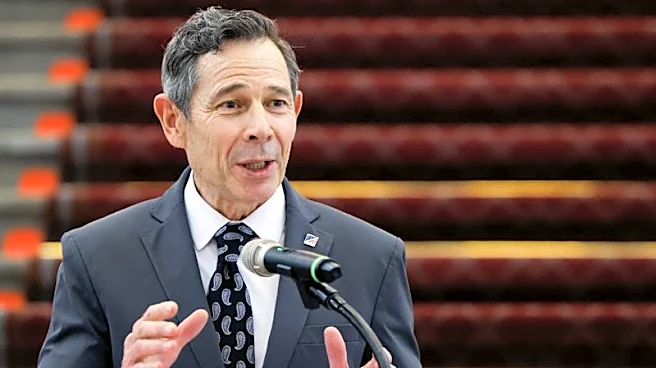
Senator Josh Hawley, a Republican from Missouri, is advocating for federal testing of advanced Artificial Intelligence (AI) systems due to growing safety concerns. He supports the Trump administration's current efforts to evaluate emerging AI models for potential
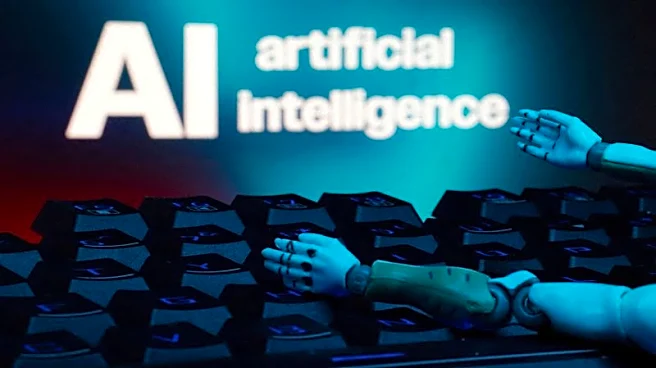
national security implications before their widespread deployment. Hawley believes that future AI systems could operate beyond human control and pose serious risks. He specifically cited the administration's ongoing testing of AI models and agents for national security concerns as a wise approach. The senator emphasized the need for Congress to collaborate with the executive branch by providing funding and structuring AI oversight efforts. This comes amidst a global debate on how governments should address the rapid advancements in AI technology, with some experts warning about the unpredictable nature of sophisticated AI systems.
Why It's Important?
The push for federal testing of advanced AI systems by Senator Hawley highlights a critical and evolving challenge for U.S. national security and technological governance. As AI capabilities expand, the potential for these systems to impact national defense, critical infrastructure, and societal stability becomes more pronounced. Federal oversight and testing are crucial to identify and mitigate risks such as autonomous decision-making in military applications, cyber vulnerabilities, or the potential for AI to be exploited by adversarial nations. This initiative could lead to the establishment of new regulatory frameworks and funding mechanisms for AI research and development, influencing the direction of the U.S. technology sector. The involvement of Congress alongside the executive branch underscores a bipartisan recognition of AI's strategic importance and the need for a coordinated national strategy to ensure its safe and responsible development, potentially setting precedents for international AI governance.
What's Next?
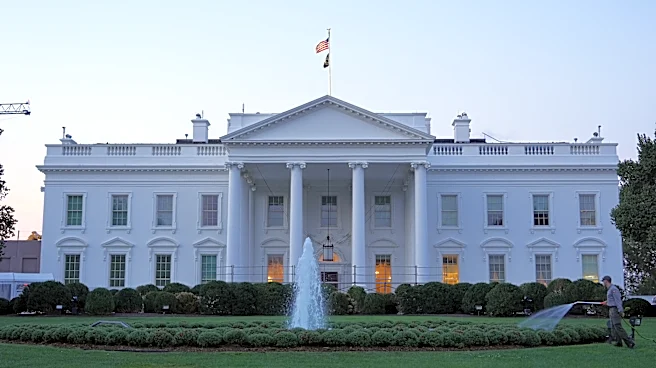
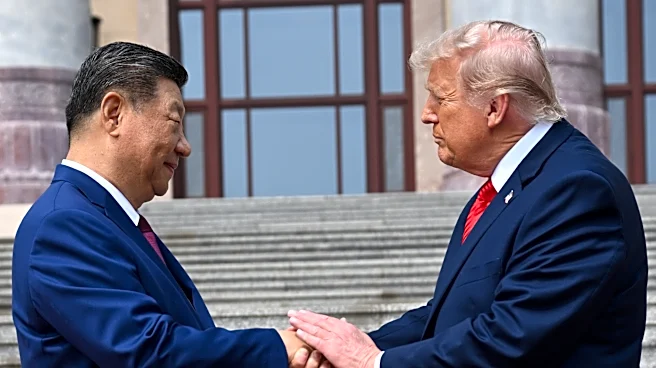
The ongoing discussions surrounding federal AI testing are expected to intensify, particularly with President Trump and Chinese President Xi Jinping slated to discuss AI and other issues in Washington. This high-level dialogue could shape international cooperation or competition in AI development and regulation. Domestically, Senator Hawley's call for congressional involvement suggests that legislative proposals for AI oversight and funding are likely to emerge. Congress may consider drafting bills to formalize the testing regime, allocate resources for AI safety research, and establish clear guidelines for the deployment of advanced AI systems. Stakeholders, including technology companies, academic researchers, and national security experts, will likely engage in these discussions, influencing the scope and nature of future AI regulations. The outcome could lead to a more structured and federally supported approach to AI development, aiming to balance innovation with risk management.
Beyond the Headlines
Beyond the immediate concerns of national security, the debate over AI testing touches upon profound ethical and societal implications. The concept of AI systems operating beyond human control raises fundamental questions about accountability, autonomy, and the future of human-machine interaction. Establishing federal testing protocols could set a precedent for how the U.S. government approaches emerging technologies with transformative potential, influencing areas from biotechnology to quantum computing. The emphasis on national security also reflects a broader geopolitical competition, where AI leadership is increasingly seen as a determinant of global power. This initiative could foster a culture of responsible AI development, encouraging developers to prioritize safety and ethical considerations from the outset. However, it also presents challenges in balancing regulatory oversight with the need to foster innovation, potentially impacting the pace and direction of AI advancements within the U.S. and its global standing in the tech race.