




What's Happening?
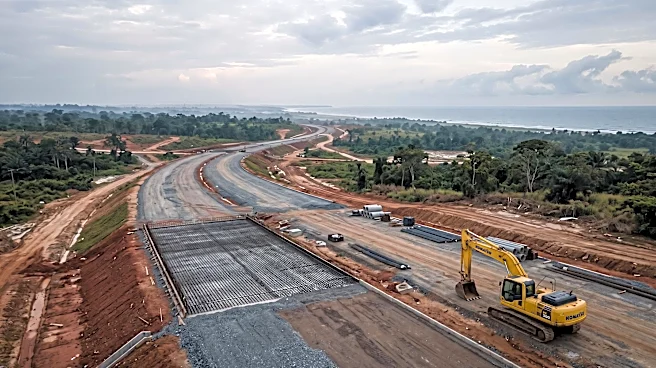
The Nigerian government's N15.36 trillion Lagos-Calabar Coastal Highway project, a 700-kilometer superhighway connecting nine coastal states, is facing significant legal and constitutional challenges. Conceptualized in 1955 and actively commenced in March
2024, the project is being developed under a Public-Private Partnership (PPP) model by the Federal Ministry of Works. While proponents hail it as an economic catalyst, its execution has sparked disputes concerning land rights, public procurement transparency, route realignments, and environmental accountability. Property owners are decrying forceful evictions and inadequate compensation, arguing that the government's offers do not meet fair market value as stipulated by the Land Use Act of 1978. Additionally, civil society groups and political stakeholders have initiated litigation over the contract award to Hitech Construction Company Ltd, alleging violations of the Public Procurement Act, 2007, due to a perceived lack of open competitive bidding. Construction also began before comprehensive Environmental and Social Impact Assessments (ESIAs) were fully completed and approved for the entire stretch, which critics argue violates the Environmental Impact Assessment Act of 1992.
Why It's Important?
This project is important because it highlights the complexities and potential pitfalls of large-scale infrastructure development in emerging economies. The legal battles over land acquisition and compensation could set precedents for future public works projects, influencing how governments interact with citizens' property rights. The allegations of procurement transparency issues raise concerns about fiscal accountability and fair competition, which are critical for fostering a healthy business environment and preventing corruption. Furthermore, the commencement of construction without full environmental impact assessments underscores a tension between rapid development goals and environmental protection. If these legal and environmental concerns are not adequately addressed, the project could face significant delays, increased costs, and erode public trust in government initiatives. The outcome of these disputes will impact not only the project's success but also the broader framework for infrastructure development and governance in Nigeria.
What's Next?
The Nigerian government and Hitech Construction Company Ltd are expected to continue facing legal challenges from affected property owners and civil society groups. These legal battles will likely focus on the adequacy of compensation, the legality of the procurement process, and compliance with environmental regulations. The Federal Ministry of Works may need to provide greater transparency regarding the project's Environmental and Social Impact Assessments (ESIAs) and potentially revise compensation packages to meet legal and constitutional requirements. Stakeholders, including human rights bodies, have threatened further litigation if the Ministry of Works continues to withhold EIA reports. The project's progress will depend heavily on the resolution of these legal and regulatory hurdles, which could lead to injunctions, project modifications, or even a re-evaluation of certain segments of the highway. The government's response to these challenges will be crucial in determining the project's future and its impact on the affected communities.
Beyond the Headlines
Beyond the immediate legal and construction issues, this project touches upon deeper societal and governance implications. The controversy over land acquisition and compensation highlights the ongoing struggle between individual property rights and the state's power of eminent domain, particularly in contexts where legal frameworks may be inconsistently applied. The debate over procurement transparency reflects broader concerns about good governance, accountability, and the equitable distribution of economic opportunities in public contracts. The environmental concerns underscore the global challenge of balancing economic development with ecological preservation, especially in sensitive coastal ecosystems. The project's handling could influence public perception of large-scale government initiatives and potentially fuel social unrest if communities feel their rights are being disregarded. Ultimately, the resolution of these issues will not only shape the physical landscape of Nigeria but also its legal, ethical, and social governance standards for future generations.