

What's Happening?
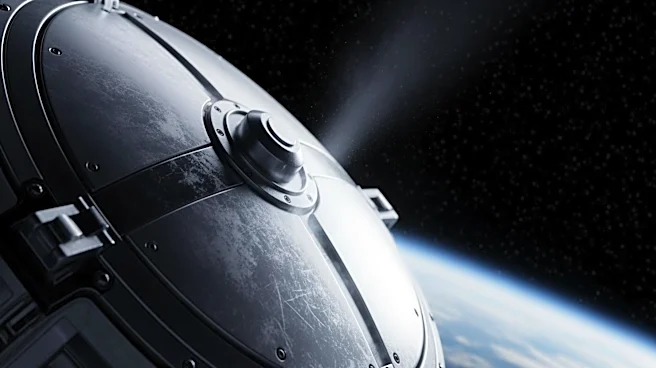
The International Space Station (ISS) is dealing with a recurring air leak problem that has persisted since 2019. The latest leak was confirmed by NASA and is located in the PrK module, a part of the Russian segment of the station. Despite previous efforts
to stabilize the situation, a slow pressure drop was noted, indicating a microscopic structural crack. This issue has been classified as a high-risk concern for the ISS, which is set to retire in 2030. NASA and Congress are considering extending its operation until 2032 or beyond, pending the availability of commercial replacements.
Why It's Important?
The ongoing air leak at the ISS poses significant safety concerns for the astronauts aboard and highlights the aging infrastructure of the space station. As the ISS approaches its planned retirement, the need for modern, cost-effective, and safer commercial platforms becomes more pressing. The situation underscores the importance of maintaining robust safety protocols and emergency evacuation procedures. The leak also raises questions about the long-term viability of the ISS and the future of international collaboration in space exploration.
What's Next?
NASA and Roscosmos engineers are closely monitoring the leak and maintaining emergency procedures to ensure astronaut safety. The agencies are considering options for extending the ISS's operational life while planning for its eventual replacement. The situation may accelerate efforts to develop commercial space stations as successors to the ISS. Ongoing discussions between NASA and Congress will determine the future of the ISS and the timeline for transitioning to new platforms.