





What's Happening?
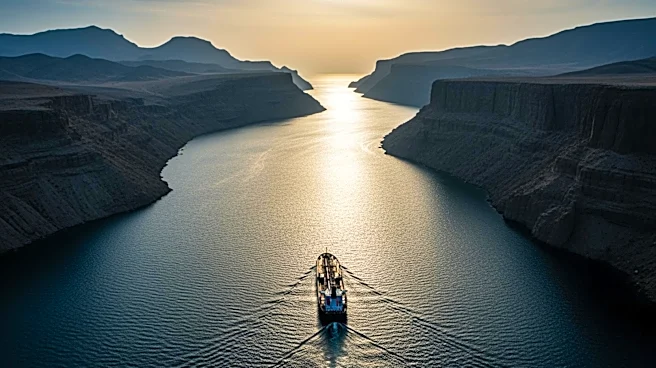
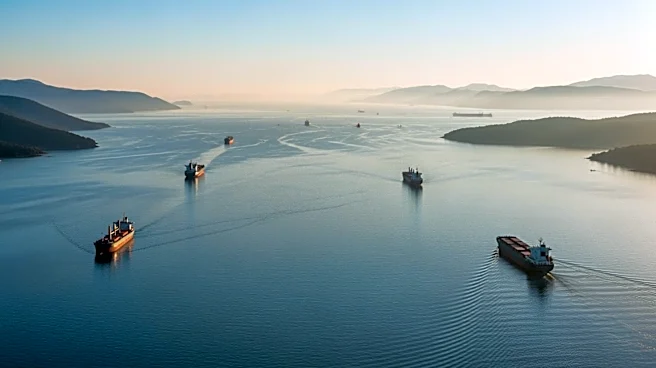
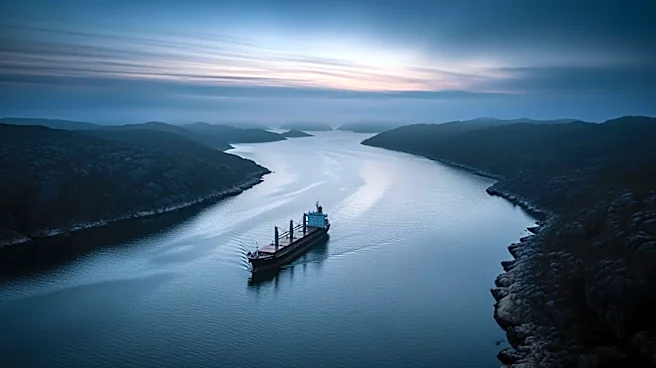
The reopening of the Strait of Hormuz, a critical maritime passage, is not expected to immediately resolve ongoing shipping and oil price challenges. Despite a ceasefire, the risk of renewed conflict deters shipping lines from entering the Persian Gulf,
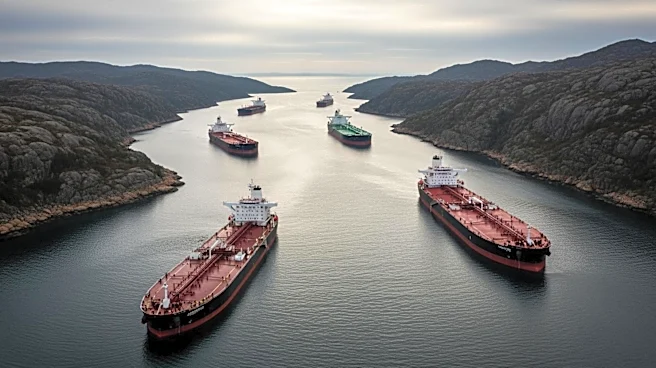
limiting the flow of goods. Currently, hundreds of loaded oil tankers are waiting to exit the Gulf, but few empty tankers are willing to enter. This bottleneck affects the global supply of oil, fertilizer, and other goods, prolonging shortages and high prices. The situation highlights the complexities of restoring normal trade operations in the region.
Why It's Important?
The continued disruption in the Strait of Hormuz has significant implications for global energy markets and supply chains. The strait is a vital route for oil exports, and its closure has led to supply constraints and elevated prices. The reluctance of shipping lines to re-enter the Gulf underscores the fragility of the ceasefire and the potential for further disruptions. This situation affects not only energy prices but also the availability of essential goods, impacting economies worldwide. The challenges in restoring normal operations highlight the need for stable geopolitical conditions to ensure the smooth flow of global trade.
What's Next?
To address these challenges, stakeholders must work towards a more permanent resolution to the conflict and ensure the safety of shipping routes. This may involve diplomatic efforts to secure a lasting peace and confidence-building measures to encourage the return of shipping lines. In the meantime, businesses and governments may need to explore alternative routes and strategies to mitigate the impact of the disruption on global supply chains.