






What's Happening?
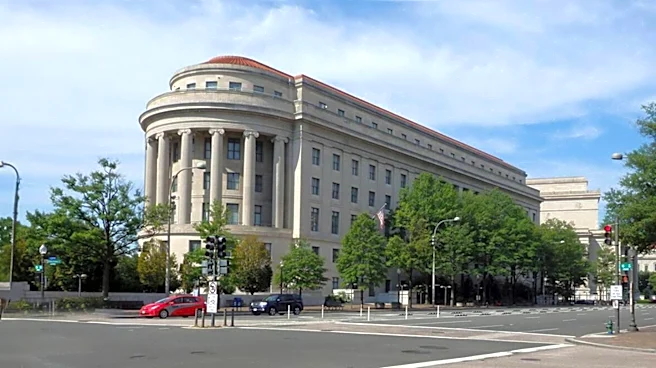
An elderly woman in Laramie, Wyoming, was defrauded of approximately $131,000 in gold by scammers posing as Federal Trade Commission agents. These individuals convinced her that her savings were at risk and pressured her to purchase an additional $460,000
in gold. The Laramie Police Department initiated an investigation on September 22 after a local coin shop owner grew suspicious. Authorities, in collaboration with the victim and the coin shop owner, set up a sting operation. They arranged for a staged purchase of gold bars and a temporary $500,000 transaction with her credit union to make the scam appear legitimate. On October 2, an undercover detective, posing as the victim, met a courier at a local restaurant to hand off the gold using a pre-arranged password, 'tulip.' This led to the arrest of Jithin Sunny, a Canadian citizen, who was subsequently charged with felony theft. Sunny claimed he was unaware of the scam, believing he was delivering antiques for a job he found on Instagram.
Why It's Important?
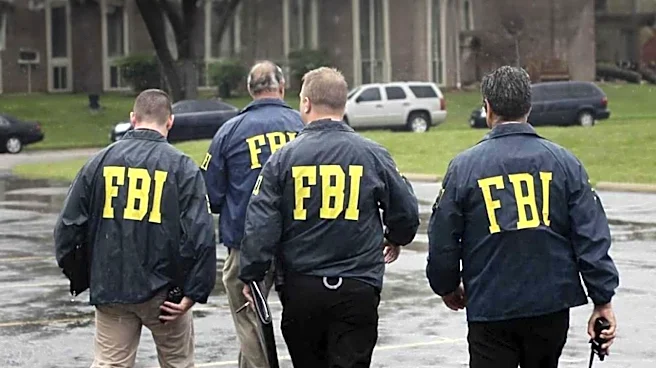
This incident highlights a growing and sophisticated scam targeting seniors across the United States, which the FBI describes as a 'multi-layer scam.' The use of fake federal agents and couriers with secret passwords adds a layer of perceived legitimacy, making it difficult for victims to discern the fraud. The financial impact on seniors can be devastating, as these schemes often drain their life savings. The case in Laramie demonstrates the critical role local businesses, like the coin shop, and law enforcement play in identifying and intervening in such criminal activities. The involvement of international actors, as seen with the Canadian courier, also points to the transnational nature of these organized criminal gangs, making them harder to track and prosecute. The emotional and financial toll on elderly victims underscores the need for increased public awareness and protective measures.
What's Next?
Following the arrest of Jithin Sunny, the legal process will proceed with his felony theft charge. Authorities will likely continue their investigation to identify and apprehend other individuals involved in this broader scam network, which the FBI has identified as a sophisticated operation targeting seniors nationwide. Law enforcement agencies and consumer protection organizations are expected to intensify efforts to educate the public, particularly the elderly, about these types of scams. This may include public awareness campaigns detailing common tactics used by scammers, such as impersonating government officials and demanding payment in unconventional forms like gold bars. Financial institutions and businesses that frequently interact with seniors, such as coin dealers, may also be encouraged to remain vigilant and report suspicious transactions to prevent further victimization.
Beyond the Headlines
This scam transcends simple financial fraud, touching upon deeper societal vulnerabilities and the evolving tactics of organized crime. The impersonation of federal agents erodes public trust in governmental institutions, making it harder for legitimate agencies to communicate with citizens. The psychological manipulation involved, where victims are convinced their money is at risk and must be 'secured' through unusual means, preys on fear and a desire to protect one's assets. The use of gold bars as a medium of exchange is a deliberate tactic to make transactions untraceable and irreversible, unlike traditional banking methods. This case also highlights the global reach of these criminal enterprises, often operating from overseas and recruiting unwitting individuals as couriers, complicating law enforcement efforts. The long-term implications include a potential increase in financial insecurity among the elderly and a greater need for inter-agency and international cooperation to combat these sophisticated criminal networks.