




What's Happening?
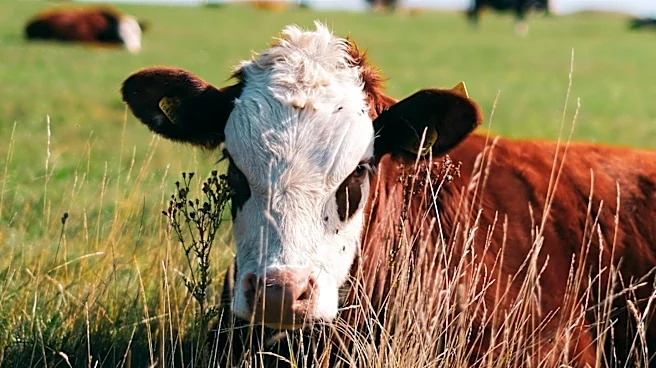
Democratic U.S. Senate nominee Everett Wess has publicly criticized President Trump's plan to import 300,000 metric tons of foreign beef into the United States, describing it as a threat to Alabama's cattle industry. Wess cited concerns from the Alabama Cattlemen’s
Association, whose CEO, Erin Beasley, stated that the announcement has already negatively impacted the live-cattle market and could discourage producers from investing in their herds. Wess expressed support for legislation introduced by U.S. Representative Shomari Figures, D-Alabama, which aims to nullify the presidential proclamation. Figures' bill would require importers to pay all applicable tariffs, taxes, and fees on beef products and prohibit the president from waiving or reducing these without congressional authorization. Wess also called for similar scrutiny of the Trump administration’s broader trade and tariff policies, which he argued have increased costs for domestic producers and consumers.
Why It's Important?
This development highlights a significant point of contention between political figures regarding agricultural policy and international trade, with direct implications for the U.S. beef industry and the broader economy. President Trump's beef import plan, if implemented, could lead to increased competition for domestic cattle producers, potentially driving down prices and affecting their profitability. This would impact a vital sector of Alabama's economy, as emphasized by Wess and the Alabama Cattlemen’s Association. Representative Figures' proposed legislation underscores the role of Congress in overseeing executive actions related to trade and tariffs, asserting legislative authority over economic policy. The debate also touches upon the broader impact of trade policies on domestic industries, consumer prices, and the constitutional separation of powers in setting economic regulations. The criticism of the Trump administration's tariff policies by Wess suggests a potential shift in trade approaches if a different administration takes office.
What's Next?
Representative Figures' bill, currently before the House Ways and Means Committee and the House Agriculture Committee, will undergo legislative review. Its passage would signify a congressional check on presidential authority regarding trade agreements and tariffs, potentially setting a precedent for future executive actions. The debate surrounding the beef import plan and broader trade policies is likely to continue, especially as the U.S. Senate election approaches. Everett Wess will likely continue to use this issue to differentiate himself from his Republican opponent, U.S. Representative Barry Moore, who Wess criticized for remaining silent on the concerns while pledging loyalty to President Trump. The outcome of this legislative effort and the ongoing political discourse will influence the future of U.S. agricultural trade policy and its impact on domestic producers.
Beyond the Headlines
Beyond the immediate economic implications for the beef industry, this issue raises fundamental questions about the balance of power between the executive and legislative branches in shaping trade policy. The attempt to nullify a presidential proclamation through congressional legislation highlights the ongoing tension between presidential prerogative and congressional oversight. Furthermore, the debate reflects broader concerns about food security and the impact of global trade on local economies. The Alabama Cattlemen’s Association's concerns about discouraging investment in herds due to increased imports point to the long-term effects of trade policies on agricultural sustainability and the resilience of domestic food production. This situation also underscores the political sensitivity of agricultural issues, particularly in states with strong farming traditions, where federal policies can have profound local consequences.