



What's Happening?
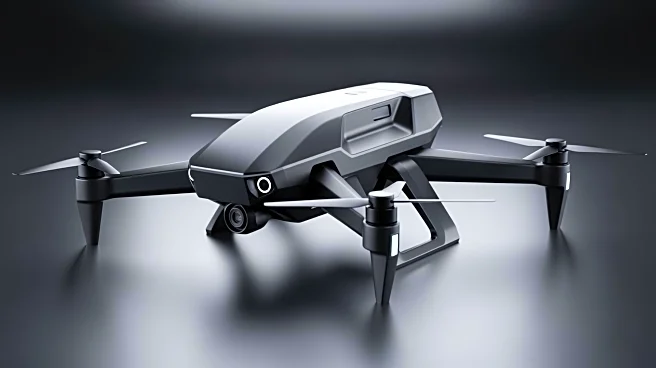
Marine Sgt. Henry David Volpe, an automotive maintenance technician with the 2nd Marine Logistics Group at Camp Lejeune, North Carolina, has been awarded for his role in developing the Marine Corps' first fully NDAA-compliant 3D-printed drone, known as the HANX
platform. This drone, costing approximately $700 per unit, is designed to comply with U.S. laws that prohibit the military from using unmanned aerial systems with parts from certain foreign entities. Volpe's innovation ensures that the drone does not contain components from adversarial countries, addressing supply chain and security concerns. The HANX drone can be modified for various military tasks and carries a one-kilogram payload. Volpe's efforts have earned him the Navy and Marine Corps Commendation Medal.
Why It's Important?
The development of the HANX drone is significant as it represents a cost-effective and secure solution for the U.S. military's need for unmanned aerial systems. By ensuring compliance with the National Defense Authorization Act (NDAA), the Marine Corps can avoid the risks associated with using foreign components, particularly from countries like China. This innovation not only enhances the security of military operations but also demonstrates the potential for in-house manufacturing capabilities to reduce costs and increase agility in responding to evolving threats. The HANX platform's affordability and compliance could set a precedent for future military drone development, potentially influencing procurement strategies and operational readiness.
What's Next?
The Marine Corps plans to continue exploring the potential applications of the HANX drone across various units, including explosive ordnance disposal and public affairs. The II Marine Expeditionary Force Innovation Campus is considering ways to utilize the system for offensive, logistics, and surveillance training. As the military continues to develop and produce unmanned aerial systems, the success of the HANX platform may encourage further investment in 3D-printed technologies. This could lead to broader adoption of similar cost-effective and compliant solutions across different branches of the military, enhancing overall capabilities and readiness.