






What's Happening?
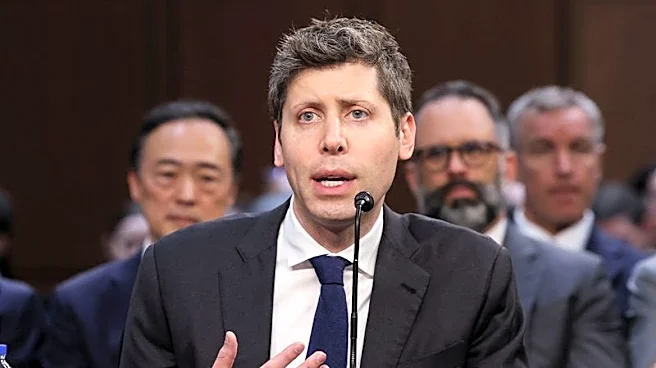
Jack Cable, a former adviser to the Cybersecurity and Infrastructure Security Agency (CISA), testified before a U.S. House of Representatives subcommittee, highlighting the challenges posed by frontier AI models in cybersecurity. Cable emphasized that
these AI models, such as Anthropic's Mythos, are capable of identifying and exploiting software vulnerabilities at a speed and scale that surpass human capabilities. He argued that the traditional approach of patching software vulnerabilities is insufficient in the face of AI's rapid advancements. Instead, Cable advocated for a 'secure-by-design' approach, which involves integrating security measures into software from the outset. This approach aims to prevent entire classes of vulnerabilities rather than addressing individual bugs. Cable's testimony was supported by Sandra Joyce, Vice President of Google Threat Intelligence, who noted that threat actors are exploiting slow patch cycles and human response times. Chris Meserole, Executive Director of the Frontier Model Forum, also stressed the importance of public-private partnerships and information-sharing to combat AI-driven cyber threats.
Why It's Important?
The testimony underscores a significant shift in the cybersecurity landscape, where AI's capabilities are outpacing traditional security measures. This development has profound implications for U.S. industries and public policy, as it necessitates a reevaluation of current cybersecurity strategies. The reliance on patching vulnerabilities is becoming increasingly inadequate, potentially leaving critical infrastructure and sensitive data at risk. The call for a 'secure-by-design' approach highlights the need for proactive measures in software development, which could lead to more robust and resilient systems. Additionally, the emphasis on public-private partnerships and information-sharing reflects the growing recognition that collaboration is essential to address the complex challenges posed by AI in cybersecurity. This shift could influence future regulatory frameworks and industry standards, impacting how businesses and government agencies approach cybersecurity.
What's Next?
The U.S. government and private sector are likely to explore and implement the 'secure-by-design' approach more extensively. This may involve revising software development practices and investing in new technologies that enhance security from the ground up. Policymakers might also consider legislative measures to encourage or mandate such practices across industries. Furthermore, the establishment of stronger public-private partnerships and information-sharing channels could become a priority, as stakeholders seek to stay ahead of AI-driven threats. These efforts may lead to the creation of new forums or initiatives aimed at fostering collaboration and innovation in cybersecurity. As the landscape evolves, ongoing dialogue between government, industry leaders, and cybersecurity experts will be crucial to developing effective strategies and policies.