



What's Happening?
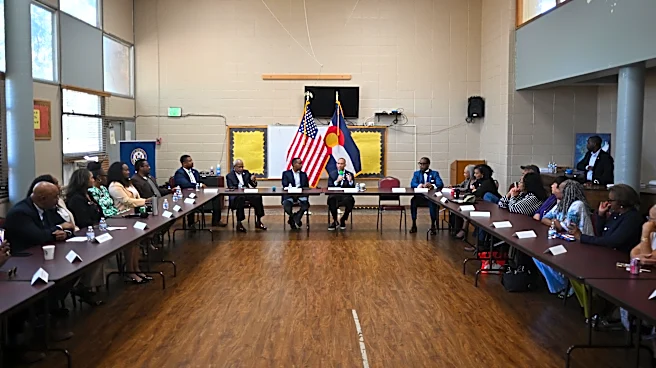
The Great Schools Committee of Milwaukee Public Schools (MPS) has concluded its series of meetings, gathering community input on potential school closures, mergers, and investments to address declining enrollment and budget deficits. During the final
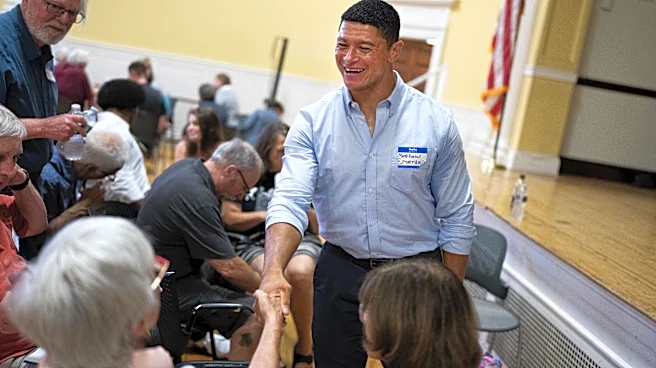
meeting, attendees reviewed and voted on various proposals, indicating their preferences with blue and red dots. A significant portion of the feedback centered on fixing or replacing aging school buildings. For instance, Siefert School Principal Deirdre Lafford suggested rebuilding her school on its playground site while students use the old building, with community members also supporting new HVAC systems and elevators for the 1903-built school. An addition to Rufus King High School received the most support, with an MPS educator and parent, Angela Harris, highlighting the need for an updated athletic field and equipment. There was also considerable backing for rebuilding Lincoln Avenue School, which was destroyed in a June fire. Conversely, suggestions for school closures and mergers, such as closing Riley Dual Language Montessori School or merging several schools, met with significant opposition from the community.
Why It's Important?
The community feedback collected by the MPS Great Schools Committee is crucial for shaping the future of public education in Milwaukee. The strong emphasis on repairing and upgrading existing infrastructure, rather than closing schools, reflects a community desire to preserve local institutions and improve learning environments. The support for expanding successful programs like Montessori and creating more middle schools indicates a demand for diverse educational options and age-appropriate learning structures, moving away from the K-8 model that some attendees found unsuitable for older elementary students. The pushback against closures and mergers underscores the potential social and emotional impact on students, families, and neighborhoods, highlighting the need for careful consideration of community ties and access to education. The district's commitment to specialized outreach at impacted schools, as advocated by the Milwaukee Inner-City Congregations Allied for Hope’s Education Task Force, is vital for ensuring equitable engagement and addressing concerns from all affected communities.
What's Next?
MPS Superintendent Brenda Cassellius has stated that the district will review all feedback gathered from the Great Schools Committee meetings. This feedback will be posted online alongside the Budget Advisory Committee’s budget priorities, initiating a 30-day public comment period. Following this, the district plans to conduct specialized outreach at schools that would be directly impacted by any proposed changes, ensuring that affected communities receive adequate notice and have opportunities for discussion regarding potential closures, mergers, and investments. The district will then need to formulate concrete plans based on this extensive community input, balancing budget constraints and declining enrollment with the expressed desires for facility improvements, program expansions, and the preservation of local schools. Decisions regarding school rebuilds, such as Lincoln Avenue School, and potential expansions of programs like Montessori, will likely be key components of the district's next steps.
Beyond the Headlines
The discussions within the MPS Great Schools Committee reveal deeper societal implications beyond immediate school infrastructure and enrollment issues. The strong community preference for investing in existing schools and expanding successful programs, rather than closing them, reflects a broader desire for stability and quality within public education. The resistance to the K-8 model and the call for more middle schools highlight evolving pedagogical views on age-appropriate learning environments and the importance of distinct developmental stages in education. Furthermore, the emphasis on community schools and improved transportation, such as shuttle systems, points to a recognition of the holistic needs of students, including social support and accessibility, particularly for those facing adverse childhood experiences or long commutes. These discussions underscore the complex interplay between educational policy, community well-being, and the long-term health of urban neighborhoods, suggesting that decisions made now will have lasting effects on Milwaukee's social fabric.