





What's Happening?
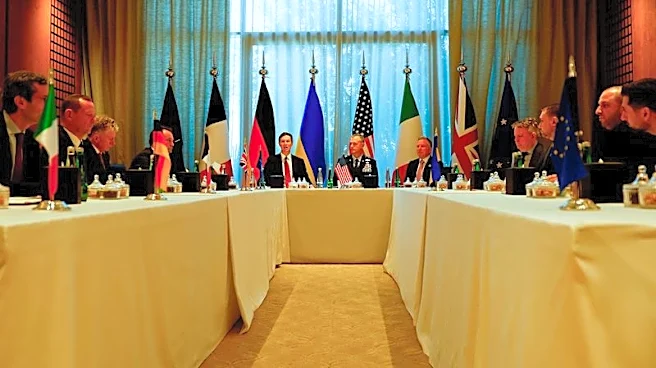
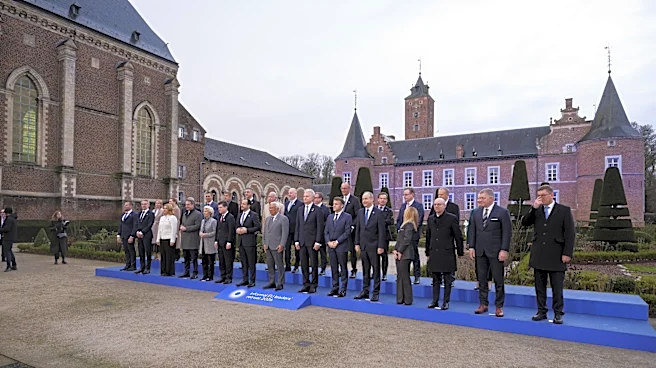
Signatory states of the European Political Community, meeting in Dublin, have committed to enhancing their defense industrial production capacity and cooperation across Europe. This initiative aims to develop resilient, secure, and more independent supply
chains and infrastructure for defense equipment. The declaration emphasizes promoting cooperation projects among European actors and fostering a competitive European defense equipment market. Additionally, these nations plan to mobilize private capital and support the growth of European defense companies. This move comes in response to growing threats to European stability and the ongoing conflict in Ukraine, with a focus on strengthening collective defense, notably through NATO for its members, and other cooperation mechanisms.
Why It's Important?
This commitment is crucial for bolstering European security and reducing reliance on external defense suppliers, which has significant implications for the U.S. defense industry. A stronger, more self-sufficient European defense industrial base could lead to shifts in global defense markets, potentially impacting U.S. defense exports and partnerships. While the declaration acknowledges cooperation with trusted partners, the emphasis on European independence suggests a strategic move to localize defense production. This could create new competitive pressures for U.S. defense contractors and necessitate adjustments in U.S. foreign policy regarding defense industrial cooperation. The initiative also aims to strengthen collective working practices and joint operational capabilities for the defense and security of Europe, which could enhance NATO's overall effectiveness, but also potentially alter the dynamics of burden-sharing within the alliance.
What's Next?
The signatory states will continue to work towards reducing dependencies and securing supply chains for critical components and materials by diversifying and establishing new trade partnerships. They will also engage in strategic dialogues on European security, complementing existing collective security frameworks. Efforts will be made to create the necessary conditions to mobilize private capital and support the growth of European defense companies. This will likely involve policy adjustments, investment incentives, and increased collaboration among European defense industries. The long-term goal is to ensure Europe can better respond to future challenges and maintain stability on the continent, with ongoing discussions on risk management and reduction mechanisms.
Beyond the Headlines
The push for European defense industrial autonomy reflects a broader geopolitical shift, where European nations are increasingly seeking to assert their strategic independence. This initiative could lead to a more integrated European defense market, potentially fostering innovation and economies of scale within the continent. However, it also raises questions about the future of transatlantic defense cooperation and the extent to which European self-reliance might alter the traditional roles and responsibilities within NATO. The emphasis on mobilizing private capital and supporting European defense companies also highlights a recognition of the economic dimension of national security, aiming to create a robust defense ecosystem that can withstand future shocks and challenges.