


What's Happening?
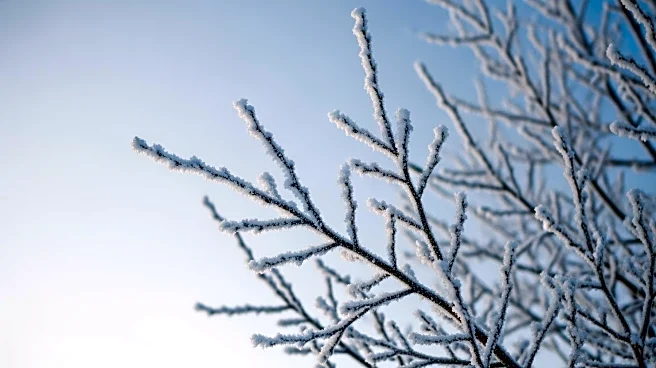
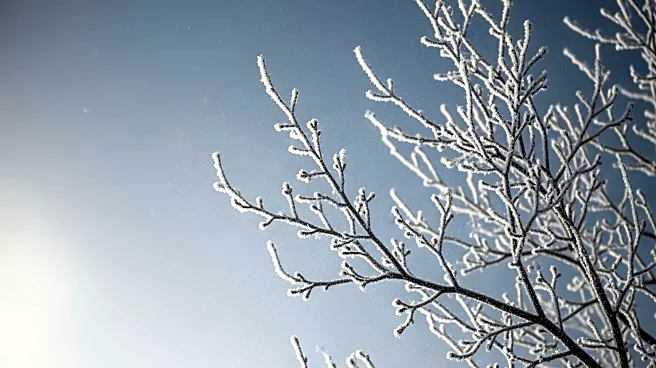
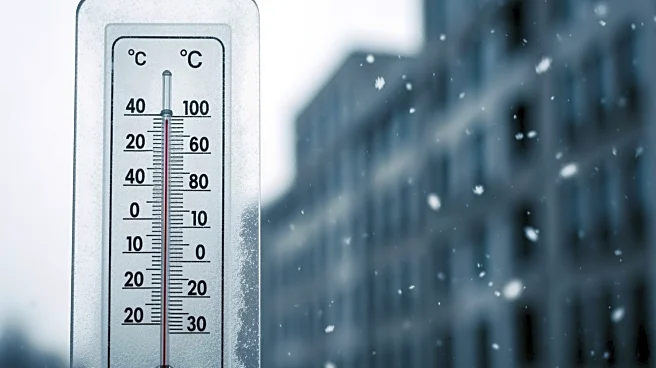
The Northeast United States, including New York City, is experiencing a severe cold snap, with temperatures dropping to 3 degrees Fahrenheit and wind chills making it feel like 14 degrees below zero. This extreme weather has made parts of the region colder
than Antarctica, where temperatures at McMurdo Station were recorded at 21 degrees. The cold wave, described as the worst in over two decades, has prompted rare extreme cold warnings affecting over 43 million people. Despite the harsh conditions, temperatures are expected to rise gradually throughout the week.
Why It's Important?
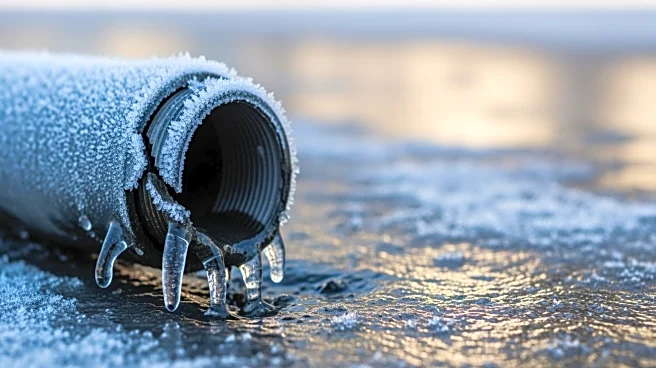
This extreme weather event highlights the vulnerability of urban areas to severe cold and the challenges it poses to infrastructure, public health, and safety. The cold snap has already resulted in at least 17 deaths in New York City, with 13 attributed to hypothermia. The situation underscores the need for effective emergency response and support systems for vulnerable populations, including the homeless. It also raises questions about the preparedness of cities to handle such extreme weather events, which may become more frequent due to climate change.
What's Next?
As temperatures are expected to rise, cities are likely to focus on recovery and addressing the impacts of the cold snap. This includes providing support to affected populations and repairing any infrastructure damage. The event may also prompt discussions on improving urban resilience to extreme weather and the role of climate change in such occurrences. Policymakers and city planners might consider long-term strategies to mitigate the effects of future cold snaps.