





What's Happening?
Ducks Unlimited, in collaboration with the USDA Natural Resources Conservation Service (NRCS), is seeking a Wetland Biologist to support wetland conservation and restoration efforts across Illinois. This partnership aims to deliver wetland conservation easements,
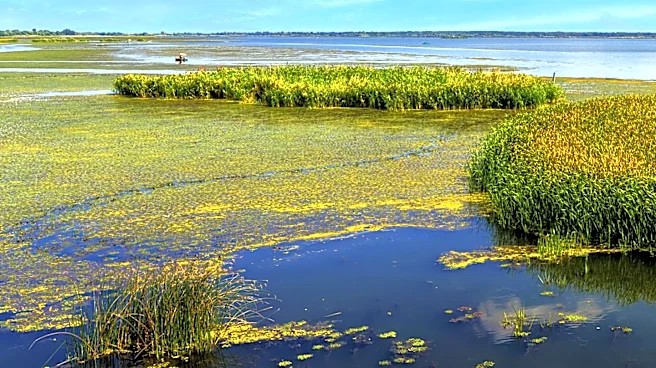
restoration projects, and Farm Bill conservation programs on private lands. The Wetland Biologist will provide technical expertise for the Agricultural Conservation Easement Program (ACEP), specifically its Wetland Reserve Easement (WRE) component. This role involves assisting private landowners with wetland determination, restoration, enhancement, and management activities. Key responsibilities include conducting site visits, developing habitat management plans, and utilizing knowledge of wetland ecology and wildlife habitat requirements. The position also entails monitoring and evaluating wetland restoration projects, preparing necessary documentation, and coordinating with NRCS staff and conservation partners to maximize environmental benefits. The initiative emphasizes managing invasive species, protecting threatened and endangered species, and ensuring environmental compliance within the framework of USDA conservation programs.
Why It's Important?
This partnership is crucial for advancing wetland conservation and wildlife habitat enhancement in Illinois, directly impacting the state's ecological health and biodiversity. Wetlands are vital for water quality improvement, flood control, and providing critical habitats for migratory birds and other wildlife. By focusing on private lands, the program extends conservation efforts beyond public reserves, engaging landowners directly in sustainable land management practices. The emphasis on invasive species management is particularly significant, as these species can severely degrade wetland ecosystems, outcompete native flora and fauna, and disrupt ecological balance. The initiative also supports the broader goals of the USDA Farm Bill, which provides financial and technical assistance to promote conservation on agricultural lands, thereby contributing to national environmental stewardship and agricultural sustainability. Successful implementation will lead to healthier ecosystems, increased biodiversity, and improved natural resource management across Illinois.
What's Next?
The immediate next step involves the successful recruitment and onboarding of a qualified Wetland Biologist who will be instrumental in executing the program's objectives. Once in place, the biologist will begin providing direct technical assistance to private landowners, conducting site assessments, and developing wetland habitat management plans. This will lead to the implementation of various wetland restoration and enhancement projects across Illinois. Ducks Unlimited and NRCS will continue to coordinate closely, ensuring that conservation efforts align with federal and state regulations and program guidelines. Future activities will include ongoing monitoring and evaluation of project effectiveness, outreach to promote participation in USDA Farm Bill programs, and potential workshops or training sessions for landowners and conservation partners. The long-term outlook involves sustained efforts to expand wetland conservation and improve ecological functions throughout the state.
Beyond the Headlines
This initiative highlights a broader trend in conservation efforts: the increasing reliance on partnerships between government agencies and non-governmental organizations to achieve large-scale environmental goals. By leveraging the expertise and resources of organizations like Ducks Unlimited, the USDA can extend its reach and impact on private lands, which constitute a significant portion of the U.S. landscape. This collaborative model also underscores the importance of integrating scientific expertise with practical land management, addressing complex ecological challenges such as invasive species and habitat degradation. Furthermore, the program's focus on the Farm Bill demonstrates how agricultural policy can be a powerful tool for environmental conservation, linking food production with ecological stewardship. This approach fosters a more holistic view of land use, recognizing the interconnectedness of agricultural productivity, biodiversity, and ecosystem health, and promoting sustainable practices that benefit both landowners and the environment.