






What's Happening?
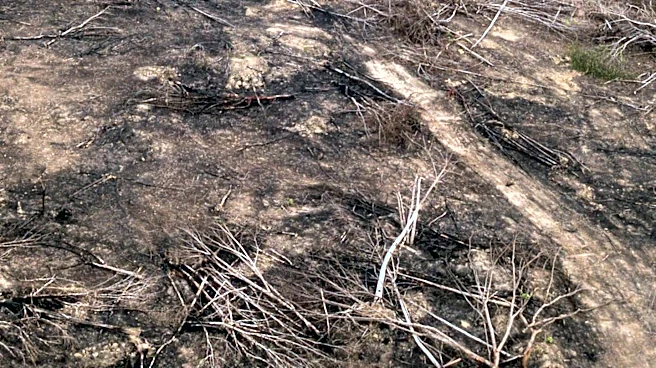
The primary driver of deforestation in the 21st century has been the expansion of agriculture, particularly for palm oil plantations. This expansion has led to significant forest loss, impacting food security and natural habitats. Efforts to curb deforestation include
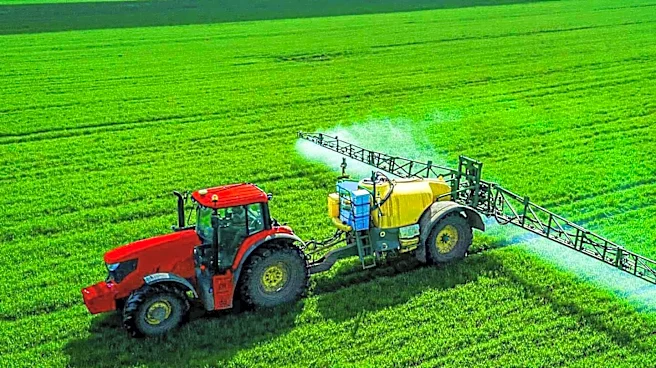
corporate commitments from food companies and certification schemes like the Roundtable on Sustainable Palm Oil, driven by campaigns from non-governmental organizations and public pressure. Over the last two decades, the world has cut down forests at a rate of roughly one Costa Rica per year. The largest driver of deforestation has been the expansion of agriculture. This has been true for millennia, and it remains the case today. A recent study, published in Nature Food by Chandrakant Singh and Martin Persson, answered this question.
Why It's Important?
Deforestation driven by agricultural expansion poses significant threats to global food security and biodiversity. The loss of forests not only reduces the planet's capacity to absorb carbon dioxide but also threatens the habitats of countless species. The expansion of agriculture, particularly for commodities like palm oil and beef, has been a major contributor to this environmental degradation. Corporate commitments and certification schemes are crucial in mitigating these impacts, as they encourage sustainable practices and reduce the demand for deforestation-driven products. The success of these initiatives could serve as a model for other industries and regions, highlighting the importance of collaborative efforts between governments, corporations, and civil society.
What's Next?
The future of deforestation efforts will likely involve increased collaboration between governments, corporations, and non-governmental organizations. Countries like Indonesia and Malaysia have already taken steps to limit deforestation through moratoriums and caps on plantation areas. These actions, combined with corporate commitments to sustainable sourcing, could lead to a significant reduction in deforestation rates. However, continued public pressure and awareness are essential to maintain momentum and ensure compliance with these initiatives. The success of these efforts could pave the way for similar actions in other regions and industries, ultimately contributing to global environmental sustainability.
Beyond the Headlines
The issue of deforestation extends beyond environmental concerns, touching on ethical and economic dimensions. The expansion of agriculture often involves the exploitation of local communities and indigenous peoples, raising questions about land rights and social justice. Additionally, the economic reliance on deforestation-driven commodities poses challenges for countries seeking to balance development with environmental conservation. Long-term solutions will require addressing these complex issues, promoting sustainable development, and ensuring that economic growth does not come at the expense of the planet's health.