






What's Happening?
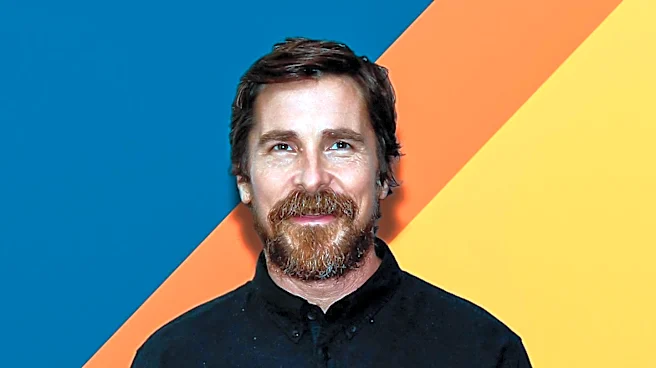
Actor Christian Bale has launched 'Together California,' a $22 million foster care village in California aimed at supporting foster families. This initiative provides free housing, counseling, and daily stipends for caregivers to cover groceries and children's
expenses. While lauded as a significant step, the project highlights a broader national issue: nearly 2.4 million children are being raised by relatives outside the formal foster care system, a practice known as kinship care. Many of these kinship caregivers do not receive the same financial assistance and resources as traditional foster parents. A December 2025 Government Accountability Office report indicated that for every child in state-supported kinship care, approximately 18 are not. The need for such support is often exacerbated by parental opioid addiction, which has led to a rise in children requiring alternative caregivers.
Why It's Important?
The 'Together California' village is important because it directly addresses a critical gap in the U.S. child welfare system, particularly for kinship caregivers. These relatives often step in to care for children due to various crises, including the opioid epidemic, but frequently lack the financial and structural support provided to licensed foster parents. Families engaged in kinship care are more likely to experience poverty, facing immediate and ongoing expenses for childcare, housing, food, and school supplies. By offering stipends and resources, Bale's initiative could serve as a model for how states can better support these families, preventing children from entering the formal foster care system and maintaining family connections. The current disparity in support creates an unequal burden on relatives who are often performing a vital public service without adequate recognition or assistance.
What's Next?
The success and operational model of Christian Bale's 'Together California' village could influence policy discussions and initiatives across other U.S. states. States like West Virginia, Ohio, Florida, Texas, and Indiana have already begun implementing programs to support kinship care, offering financial assistance or online resources. However, many of these programs still require children to be registered with state-licensed agencies, a barrier for many relatives who prefer to maintain family arrangements outside formal state oversight. Future developments may involve states exploring more flexible eligibility criteria and simplified application processes for kinship caregivers, potentially through platforms similar to West Virginia's Kinship Hub. The challenge will be to establish clear eligibility rules and safeguards against misuse while making assistance accessible to a broader range of kinship families.
Beyond the Headlines
The initiative by Christian Bale underscores a deeper societal implication regarding the role of extended families in child welfare and the limitations of current state-run systems. It highlights the ethical dilemma of expecting relatives to shoulder significant financial and emotional burdens without adequate support, especially when these arrangements often prevent children from entering more formal, and often more costly, state care. The development also points to the potential for private philanthropy to innovate and demonstrate effective solutions where public systems fall short. Long-term, this could trigger a re-evaluation of how 'foster care' is defined and supported, potentially leading to a more inclusive framework that formally recognizes and funds kinship care as a primary and preferred option for children needing alternative homes.