





What's Happening?
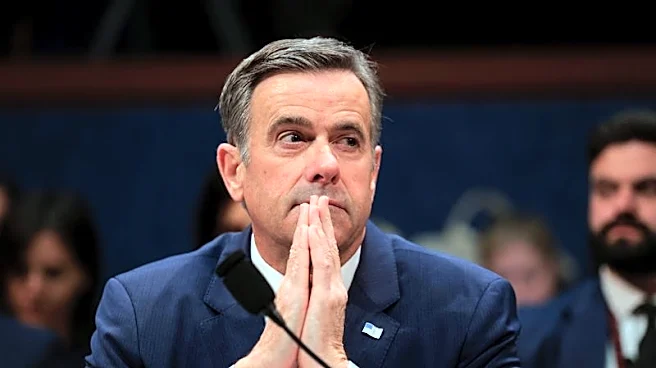
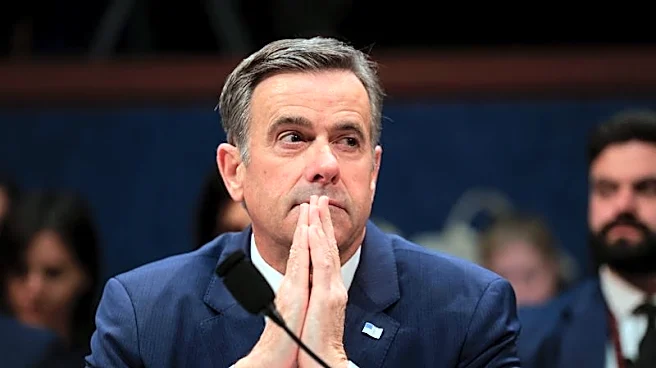
President Trump has characterized CIA Director John Ratcliffe's recent unannounced visit to Moscow as 'semi-routine,' despite widespread speculation regarding its purpose. Ratcliffe reportedly flew to the Russian capital on a government transport plane
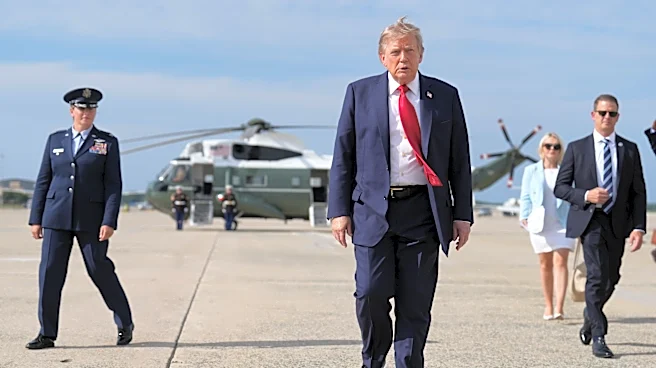
from Andrews Air Force Base in Maryland. The White House, CIA, Pentagon, and U.S. Air Force initially declined to comment on the visit, which was later confirmed by Kremlin spokesperson Dimitry Peskov. President Trump, in an interview with conservative radio host Glenn Beck, dismissed theories that Ratcliffe's trip was aimed at gaining support for Iran sanctions or addressing concerns about Russian President Vladimir Putin's intentions to 'test NATO resolve.' He stated that Ratcliffe was not there for any of the speculated reasons and emphasized efforts to end the war in Ukraine. This visit marks the first by a CIA director to Moscow since Bill Burns' trip in November 2021, which aimed to warn Putin against invading Ukraine.
Why It's Important?
The CIA Director's unannounced visit to Moscow, followed by President Trump's downplaying of its significance, highlights the complex and often opaque nature of U.S.-Russia relations, particularly concerning intelligence channels. The lack of immediate official comment from U.S. agencies and the subsequent confirmation by the Kremlin underscore the sensitivity surrounding such high-level interactions. This event is important because it reflects ongoing diplomatic efforts, even amidst strained relations, and the potential for back-channel communications to address critical geopolitical issues. The President's public statements aim to manage perceptions and control the narrative around a potentially sensitive intelligence operation, which could influence international interpretations of U.S. foreign policy and its approach to Russia and the conflict in Ukraine. The visit also implicitly acknowledges the continued necessity of communication between the two powers, regardless of public disagreements.
What's Next?
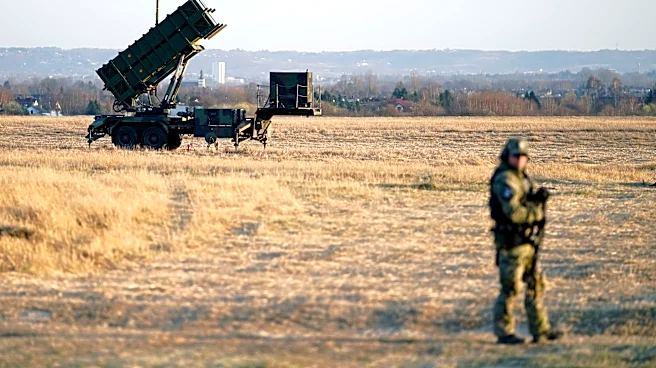
While President Trump has downplayed the visit, the underlying reasons and any potential outcomes remain subject to interpretation. The Wall Street Journal reported, citing sources briefed on the visit, that Ratcliffe's purpose was to warn Russia against attacking NATO countries. This suggests a more significant and urgent agenda than President Trump's 'semi-routine' characterization. Future developments could include further leaks or official statements clarifying the visit's objectives, or a shift in U.S. or Russian foreign policy that might be indirectly linked to these discussions. The ongoing conflict in Ukraine and the U.S.'s efforts to impose economic sanctions on Iran, which would require cooperation from countries like Russia, suggest that high-level communications will continue. The Kremlin spokesperson, Peskov, noted that contacts through intelligence channels are a positive phenomenon, even during difficult bilateral relations, but cautioned against premature expectations of an upturn in U.S.-Russian relations.
Beyond the Headlines
This incident underscores the critical role of intelligence diplomacy, where sensitive communications occur outside traditional diplomatic channels, often with a degree of secrecy. The discrepancy between President Trump's public characterization and the reported concerns about NATO's security highlights the potential for differing narratives and strategic ambiguity in international relations. It also raises questions about the coordination and messaging between the executive branch and intelligence agencies. The visit, regardless of its stated purpose, serves as a reminder that even in periods of heightened tension, back-channel communications are vital for managing crises, preventing escalation, and potentially exploring avenues for de-escalation. The long-term implications could involve a reassessment of intelligence-sharing protocols or a more nuanced approach to public communication regarding sensitive international engagements.