




What's Happening?
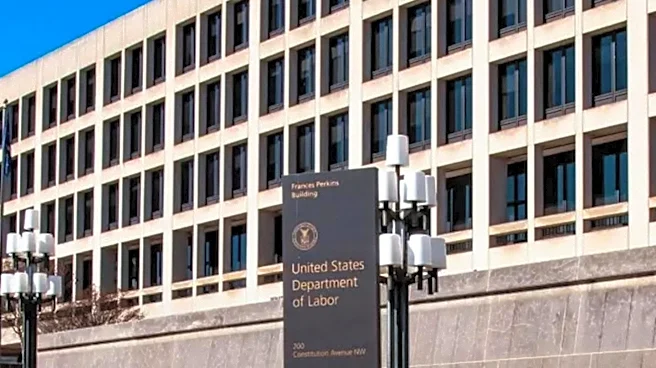
The U.S. Department of Labor (DOL), a federal agency established in 1903, is actively pursuing its mission to enhance the welfare of American wage earners, job seekers, and retirees. This includes improving working conditions, advancing employment opportunities,
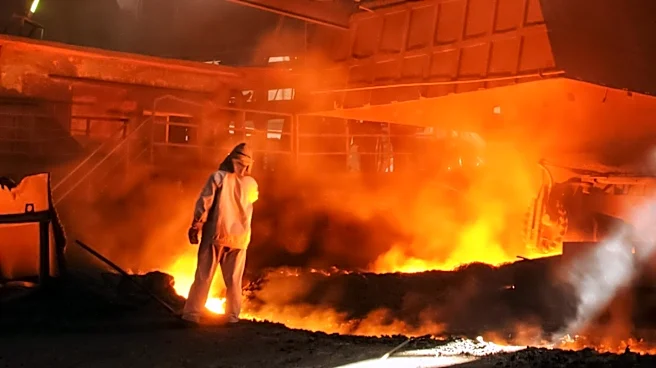
and ensuring work-related benefits and rights. The DOL is structured into nine agencies, such as the Bureau of International Labor Affairs, Bureau of Labor Statistics, Employee Benefits Security Administration, Employment and Training Administration, Mine Safety & Health Administration, Occupational Safety and Health Administration, Veterans' Employment and Training Services, Wage and Hour Division, and Women's Bureau. Currently, Acting Secretary Keith E. Sonderling leads the department. The DOL's strategic direction is guided by its FY 2026-2030 DOL Strategic Plan, which outlines its objectives and initiatives for the coming years. A key focus area for the department is the implementation of Workforce Pell programs, designed to support young Americans in their career development, particularly within advanced manufacturing sectors. This initiative aims to equip the future workforce with necessary skills and opportunities.
Why It's Important?
The U.S. Department of Labor's ongoing efforts are crucial for the stability and growth of the American workforce and economy. By focusing on worker welfare, the DOL directly impacts the quality of life for millions of Americans, ensuring fair labor practices, safe working environments, and access to employment opportunities. The various agencies within the DOL play distinct yet interconnected roles in maintaining a balanced and productive labor market. For instance, the Bureau of Labor Statistics provides vital economic data, while the Occupational Safety and Health Administration (OSHA) enforces safety standards, directly affecting industries across the nation. The emphasis on Workforce Pell programs highlights a strategic investment in human capital, aiming to address skill gaps and prepare the next generation for evolving industries like advanced manufacturing. This not only benefits individual workers by providing career pathways but also strengthens U.S. competitiveness in critical sectors, potentially leading to economic growth and innovation. Businesses stand to gain from a skilled workforce, while society benefits from reduced unemployment and improved living standards.
What's Next?
The U.S. Department of Labor will continue to implement its FY 2026-2030 DOL Strategic Plan, which will guide its actions and initiatives over the next several years. A significant focus will remain on the Workforce Pell programs, with ongoing efforts to expand and refine these initiatives to better serve young Americans entering the workforce, especially in high-demand fields like advanced manufacturing. This will likely involve collaborations with educational institutions, industry partners, and other government agencies to ensure the programs are effective and responsive to market needs. The department will also continue its regulatory and enforcement functions through its various agencies, such as monitoring labor standards, ensuring workplace safety, and protecting employee benefits. Stakeholders, including labor unions, business associations, and educational institutions, will likely engage with the DOL to shape policies and programs, ensuring that the department's efforts align with the evolving needs of the American workforce and economy. The DOL's actions will be closely watched for their impact on employment trends, wage growth, and overall economic stability.
Beyond the Headlines
Beyond its immediate policy implementations, the U.S. Department of Labor's strategic direction reflects broader societal and economic shifts. The focus on Workforce Pell programs and advanced manufacturing underscores a national recognition of the need to invest in skilled trades and technological innovation to maintain global competitiveness. This initiative also touches upon the ethical dimension of ensuring equitable access to quality education and training, particularly for younger generations who face a rapidly changing job market. The DOL's role in protecting worker rights and ensuring fair labor practices also highlights ongoing debates about the balance between employer flexibility and employee security, especially in an era of increasing automation and gig economy growth. The department's efforts to improve working conditions and ensure benefits are not just economic imperatives but also contribute to social cohesion and public health. The long-term implications of the DOL's strategic plan could include a more resilient and adaptable workforce, a reduction in income inequality, and a stronger foundation for future economic prosperity, provided these initiatives are effectively implemented and sustained.