







What's Happening?
Texas agriculture is facing a significant challenge as the industry struggles to attract younger generations to farming and ranching. Texas Agriculture Commissioner Sid Miller has highlighted efforts to encourage young people to enter the agricultural
sector, including scholarship and grant programs designed for first-generation producers. Organizations like FFA and 4-H are also instrumental in introducing youth to agriculture and nurturing future industry leaders. The average age of American farmers and ranchers is around 60, a stark contrast to the past when a majority of the population was involved in agriculture. U.S. Congressman Henry Cuellar has pointed out that rising input costs and a lack of interest from younger generations are exacerbating challenges for family-run operations. He warns that this could lead to increased corporate consolidation in agriculture. However, Miller notes a growing interest from retirees and professionals who are purchasing smaller rural properties and entering agriculture later in life, suggesting a different trend in Texas.
Why It's Important?
The aging population of farmers and ranchers in Texas and across the U.S. poses a significant threat to the sustainability of the agricultural industry. As fewer young people enter the field, there is a risk of losing valuable knowledge and skills that are crucial for maintaining food production and rural economies. The potential for increased corporate consolidation could lead to fewer family-run farms, impacting local communities and economies. Additionally, rising input costs make it difficult for new entrants to sustain operations, potentially leading to a decline in agricultural diversity and innovation. Addressing these challenges is vital for ensuring the long-term viability of the agricultural sector, which is essential for food security and economic stability.
What's Next?
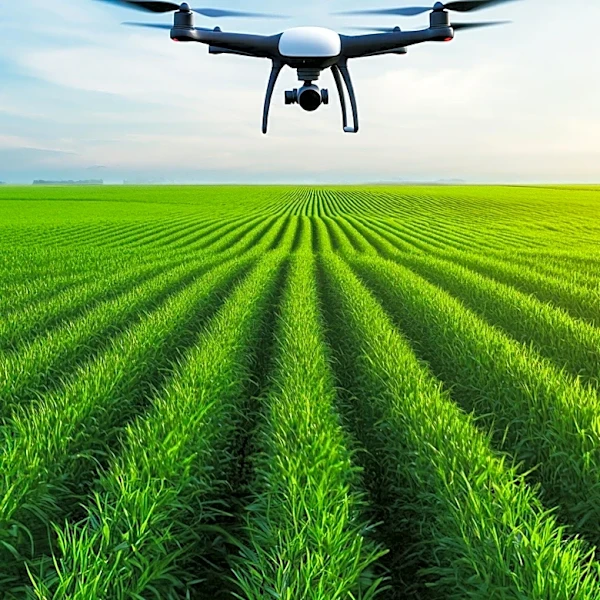
Efforts to attract young people to agriculture are likely to continue, with a focus on expanding educational and financial support programs. Stakeholders may explore new strategies to make farming more appealing and accessible to younger generations, such as integrating technology and sustainable practices. Policymakers and industry leaders might also consider measures to mitigate rising input costs and support family-run operations. The trend of retirees and professionals entering agriculture could be further encouraged as a way to bring fresh perspectives and investment into the industry. Monitoring these developments will be crucial for understanding the future landscape of agriculture in Texas and beyond.