
What's Happening?
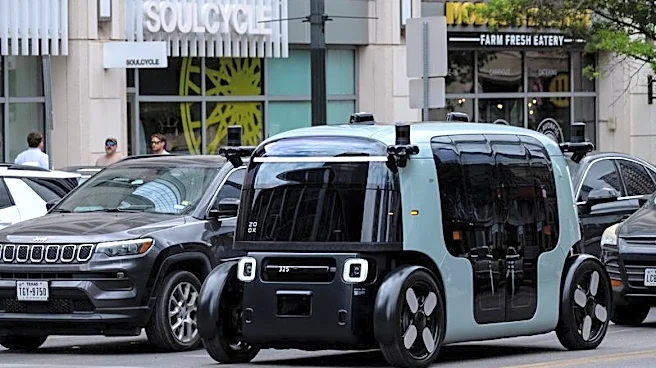
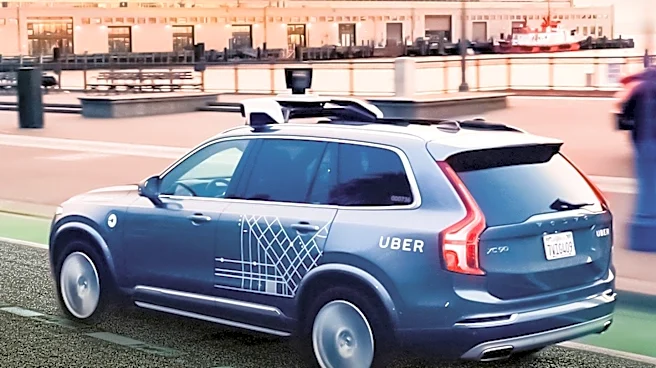
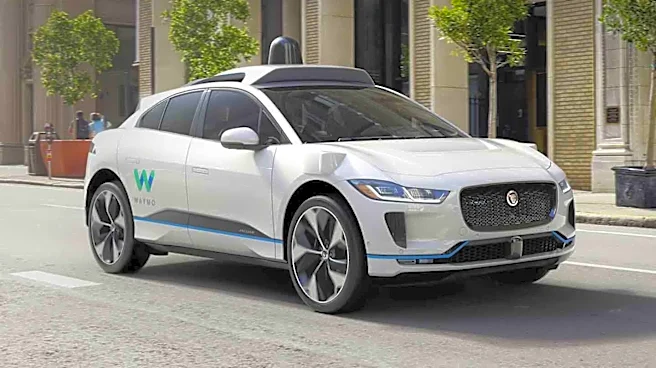
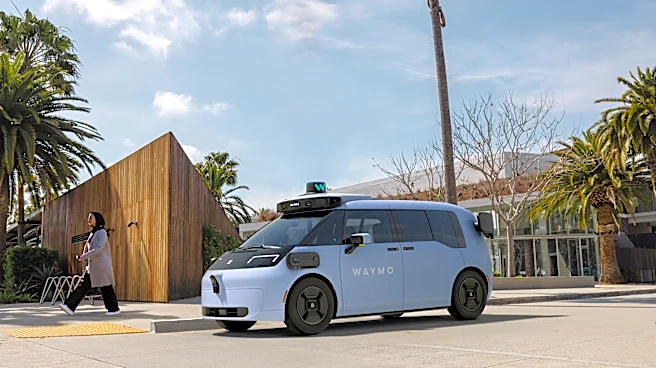
Rep. Kevin Mullin, a Democrat from San Mateo, California, has introduced a bill aimed at establishing minimum federal safety standards for autonomous vehicles, commonly referred to as robotaxis. The legislation is supported by notable Bay Area figures,
including Mayor Daniel Lurie. Despite evidence suggesting that autonomous vehicles are safer than those driven by humans, public skepticism remains high. A recent Pew survey indicated that 71% of Americans are uncomfortable with the idea of riding in an autonomous vehicle. The bill seeks to address these concerns by directing the National Highway Traffic Safety Administration to implement safety standards for interactions between autonomous vehicle fleets and emergency services. It also mandates a 24/7 hotline for public safety officials to report incidents and allows local governments to restrict AV access during emergencies. While industry leaders like Waymo have expressed support for federal standards, they have not yet taken a position on Mullin's specific proposal.
Why It's Important?
The introduction of this bill is significant as it addresses growing public concerns about the safety of autonomous vehicles, which are becoming increasingly prevalent. Establishing federal safety standards could enhance public trust and facilitate the broader adoption of autonomous technology. This move could also influence the regulatory landscape for the tech industry, potentially leading to more stringent safety protocols and operational guidelines. The bill's potential to attract bipartisan support highlights the non-partisan nature of safety concerns surrounding autonomous vehicles. If successful, the legislation could set a precedent for future regulations in the rapidly evolving field of autonomous transportation, impacting manufacturers, tech companies, and consumers alike.
What's Next?
The bill's progress will likely involve detailed discussions and negotiations with industry stakeholders to address specific safety concerns and operational details. As the legislative process unfolds, feedback from both supporters and critics will shape the final form of the bill. The outcome could influence future regulatory approaches to autonomous vehicle technology, potentially affecting market dynamics and innovation in the sector. Stakeholders, including tech companies, policymakers, and consumer advocacy groups, will be closely monitoring developments to assess the bill's implications for safety, innovation, and public acceptance of autonomous vehicles.