









What's Happening?
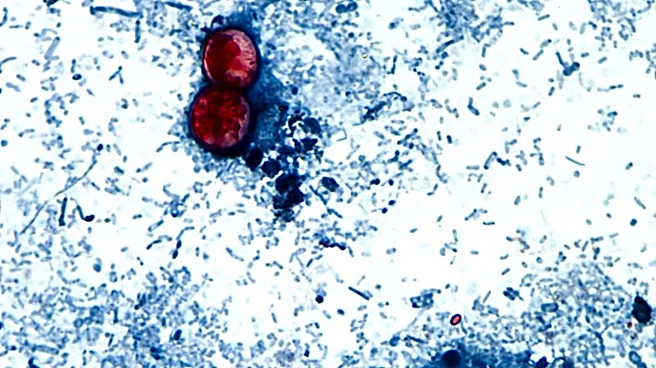
The Centers for Disease Control and Prevention (CDC) is collaborating with state health departments to address a rising number of cyclosporiasis cases across the U.S. However, previous cuts to food surveillance programs may hinder the investigation. The parasitic
infection, which causes severe gastrointestinal symptoms, has surpassed 1,000 cases nationwide. The CDC is working to update case numbers and identify potential sources of the outbreak, but the lack of a single, multistate outbreak complicates efforts. The seasonal surge of cyclosporiasis typically occurs from May to August, and health officials are urging those with symptoms to seek medical attention.
Why It's Important?
The cyclosporiasis outbreak highlights vulnerabilities in the U.S. public health infrastructure, particularly in foodborne illness surveillance. Budget cuts have reduced the capacity of programs like the Foodborne Diseases Active Surveillance Network, potentially delaying the identification of outbreak sources and increasing the risk of further transmission. This situation underscores the need for sustained investment in public health systems to ensure timely and effective responses to foodborne illnesses. The outbreak also raises concerns about the preparedness of health agencies to manage similar challenges in the future.
What's Next?
The CDC and FDA will continue to investigate the outbreak using epidemiological and laboratory tools, in coordination with state and local partners. Identifying the source of the infection is critical to preventing further cases. Public health officials may advocate for restoring funding to surveillance programs to enhance outbreak response capabilities. The situation may prompt discussions on improving food safety regulations and public health preparedness to mitigate the impact of future outbreaks.