









What's Happening?
Temperatures in the Antarctic have reached unprecedented levels, with a new winter peak of 15.4°C recorded at the Argentinian Esperanza base on the Trinity Peninsula. This surpasses the previous record set in 1998 by 2°C. The heatwave, which saw temperatures
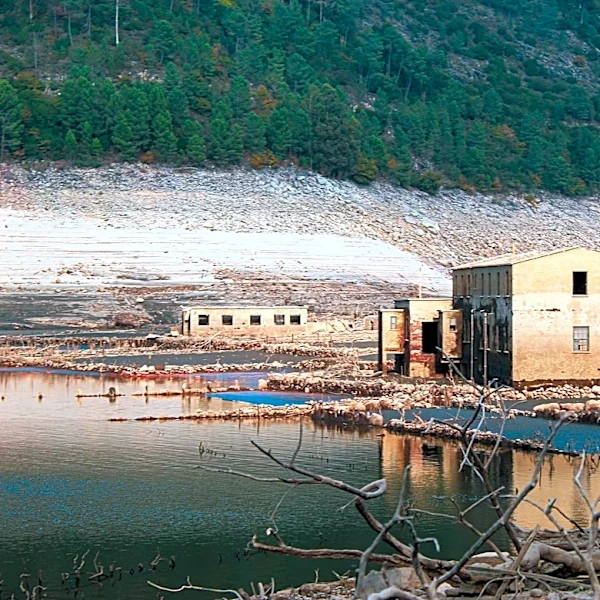
exceed zero degrees for three consecutive weeks, is attributed to unusually strong warm winds from the north. Scientists, including Raúl Cordero from the University of Groningen, have expressed alarm at this anomaly, noting it is about 20°C above the norm for this time of year. The phenomenon has led to significant melting, with landscapes changing from white to brown, grey, and green, and rain falling on glaciers that should be accumulating snow.
Why It's Important?
The record-breaking temperatures in Antarctica are a stark indicator of the accelerating impacts of climate change. The heatwave has potential long-term implications for global sea levels, as some of the region's largest glaciers, such as Thwaites and Pine Island, approach critical tipping points. If these glaciers were to collapse, it could result in a significant rise in sea levels, affecting coastal communities worldwide. Additionally, the melting ice is known to slow global ocean circulation, which can have further climatic repercussions. This event underscores the urgent need for global action to mitigate climate change and its effects.
What's Next?
The continuation of such heatwaves could lead to more frequent and severe impacts on the Antarctic ice sheets, potentially accelerating the timeline for significant sea level rise. Scientists will likely continue to monitor the situation closely, with further research needed to understand the full implications of these temperature anomalies. International climate policy may also come under increased pressure to address these urgent issues, as the evidence of climate change's impact becomes more pronounced.