






What's Happening?
A fragile ceasefire in the Strait of Hormuz is under threat as renewed attacks by both the U.S. and Iran have raised tensions. The ceasefire, brokered to end hostilities between the two nations, is crucial for maintaining stability in one of the world's
busiest oil shipping routes. Despite the agreement, dozens of boats remain anchored, awaiting permission to move, highlighting the ongoing uncertainty. The situation in the Strait is a focal point for international attention, as it impacts global oil supply and regional security. The BBC reports from the area, providing insights into how ordinary Iranians are coping with the crisis.
Why It's Important?
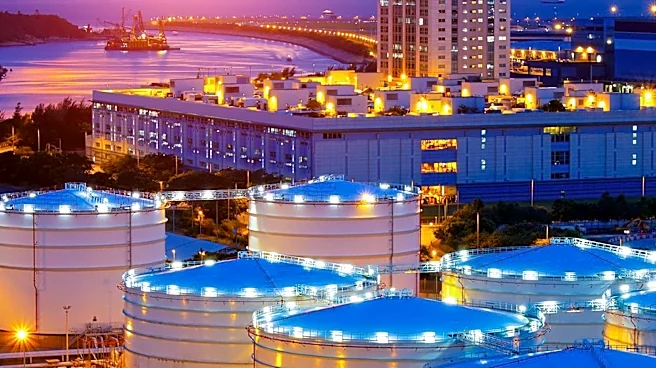
The Strait of Hormuz is a critical chokepoint for global oil transportation, and any disruption can have significant implications for international oil prices and economic stability. The fragile ceasefire is essential for preventing further escalation that could lead to broader conflict in the Middle East. The situation also underscores the delicate balance of power and the ongoing geopolitical tensions between the U.S. and Iran. The outcome of this ceasefire could influence future diplomatic relations and energy security strategies worldwide.
What's Next?
The continuation of the ceasefire will depend on diplomatic efforts and the willingness of both the U.S. and Iran to engage in constructive dialogue. Monitoring the situation closely, international stakeholders may push for renewed negotiations to solidify the ceasefire and prevent further hostilities. The potential for escalation remains, and any breach could prompt a swift response from global powers, impacting international relations and economic markets.