




What's Happening?
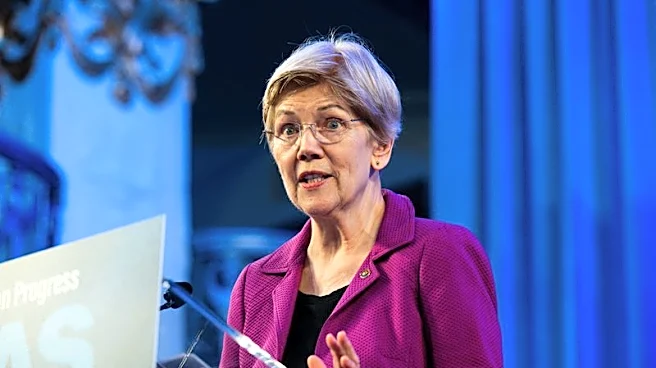
The National Council of Urban Indian Health (NCUIH) has endorsed the CDC Tribal Public Health Security and Preparedness Act, introduced by Senator Elizabeth Warren and other lawmakers. The bill aims to allow Tribes to apply directly for Public Health Emergency
Preparedness (PHEP) program funds from the CDC, a privilege currently reserved for states and certain local entities. The legislation authorizes $750 million annually from 2026 to 2028, with a 5% tribal set-aside. The bill also includes provisions for urban Indian organizations to participate in public health planning, ensuring equitable access to preparedness funds for Indian Country.
Why It's Important?
The endorsement of this bill is significant as it addresses long-standing disparities in public health funding and preparedness for Native American communities. By allowing Tribes direct access to PHEP funds, the legislation aims to enhance their ability to respond to public health emergencies effectively. This is particularly important given the unique challenges faced by these communities, including higher rates of health disparities and limited access to healthcare resources. The bill's provisions for urban Indian organizations further ensure that all segments of Indian Country are included in public health planning and response efforts.
What's Next?
The bill awaits consideration in Congress, and its progress will be closely monitored by Native American advocacy groups and public health stakeholders. If passed, the legislation could lead to significant improvements in public health infrastructure and emergency preparedness for Tribes. The involvement of urban Indian organizations in public health planning could also lead to more comprehensive and culturally appropriate health strategies. The bill's success could serve as a model for addressing health disparities in other marginalized communities.