









What's Happening?
Travelers are increasingly wrapping their passports in aluminum foil, a viral hack circulating on social media platforms like TikTok and Reddit, to prevent remote data theft from the contactless microchips embedded in modern electronic documents. The
belief is that the metallic layer acts as a Faraday shield, disrupting radio frequency identification (RFID) signals and protecting personal data from high-tech pickpockets using handheld scanners. However, international border authorities confirm that modern electronic passports already incorporate sophisticated safeguards, making clandestine skimming practically impossible. The underlying physics of radio-frequency interference is sound, but the real-world application of this DIY method creates significant friction at security checkpoints rather than providing actual protection. Electronic passports are designed with built-in encryption and range restrictions, meaning a scanner must be within a few inches of the document to establish a connection, and cryptographic keys printed on the physical document are required to unlock encrypted biometric content.
Why It's Important?
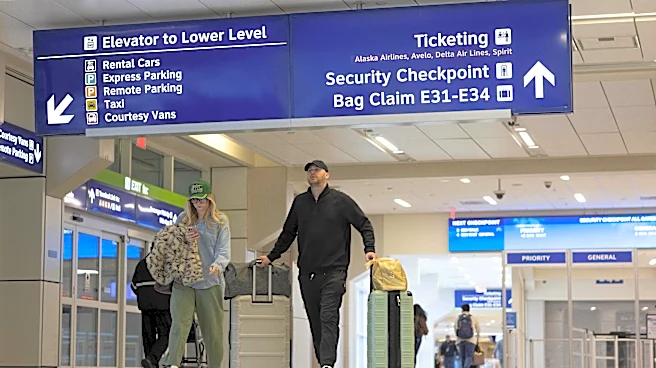
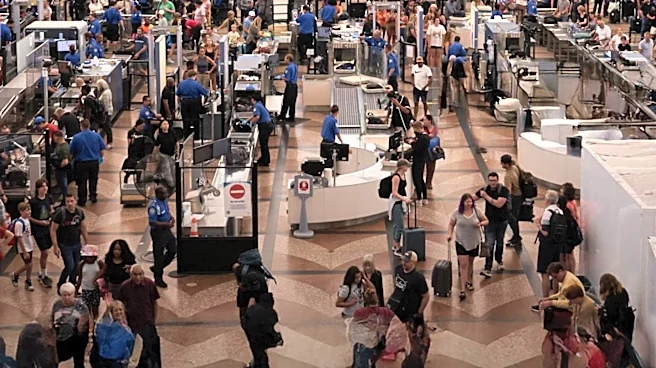
This trend highlights a growing digital anxiety among travelers regarding the security of their personal data in an increasingly connected world. While the concern about data theft is understandable, the aluminum foil hack is largely redundant and counterproductive. It creates operational bottlenecks at U.S. and international border crossings, slowing down processing times at airline check-in desks, TSA checkpoints, automated e-Gates, and customs counters. Travelers repeatedly unwrapping and re-wrapping their documents cause delays for themselves and others, and the abrasive nature of the foil can damage the passport over time. The focus on hypothetical electronic skimming distracts from more tangible security threats, such as the physical loss of a document, which poses an immediate and significant risk to identity security. Border security agencies continue to advise physical vigilance and standard protective travel wallets over internet-inspired kitchen solutions.
What's Next?
Border security agencies and travel authorities will likely continue to educate the public on the built-in security features of electronic passports and discourage the use of DIY methods like aluminum foil. There may be increased messaging to emphasize the importance of physical security measures, such as keeping documents in secure pockets or pouches and never leaving them unattended. Travelers who persist in using such hacks may face continued delays and potential damage to their travel documents. The travel industry might also see a continued market for legitimate RFID-blocking travel accessories, which operate on similar principles but are designed for convenience and durability without impeding official inspections. The ongoing challenge will be to counter misinformation and alleviate digital anxieties with accurate information about passport security.
Beyond the Headlines
The widespread adoption of this aluminum foil hack reflects a broader societal trend of seeking quick, DIY solutions to complex technological anxieties, often fueled by viral content on social media. It underscores a disconnect between public perception of digital threats and the actual security measures implemented in modern technology. This phenomenon can lead to unintended consequences, where attempts to enhance security inadvertently create new problems, such as operational inefficiencies and physical damage to essential documents. The incident also highlights the importance of trusted sources of information in an era of rapid information dissemination, particularly concerning critical areas like national security and international travel. It prompts a discussion on how to effectively communicate complex security protocols to the general public to prevent the adoption of ineffective or detrimental practices.